






In the ever-evolving landscape of technology, Blockchain has emerged as a revolutionary force with the potential to reshape industries across the globe. Beyond its association with cryptocurrencies, Blockchain technology presents a decentralized and secure framework that offers transparency, efficiency, and trust. Let’s delve into the profound impact of Blockchain in revolutionizing various sectors.
1. Financial Services: Disrupting the Traditional Landscape
Blockchain’s initial claim to fame was through cryptocurrencies like Bitcoin and Ethereum. However, its influence extends far beyond digital currencies. In the financial sector, Blockchain is transforming traditional processes such as payments, settlements, and cross-border transactions. By providing a decentralized ledger, it eliminates the need for intermediaries, reducing transaction costs and speeding up processes.
2. Supply Chain Management: Ensuring Transparency and Traceability
The transparency inherent in Blockchain technology is a game-changer for supply chain management. By recording every transaction and movement of goods on an immutable ledger, Blockchain ensures a transparent and traceable supply chain. This not only reduces the risk of fraud but also enables consumers to verify the authenticity and origin of products, fostering trust in brands.
3. Healthcare: Securing Sensitive Data and Enhancing Interoperability
In the healthcare industry, the security of patient data is of paramount importance. Blockchain provides a secure and tamper-proof way to store and share medical records. Patients can have more control over their data, granting access only to authorized individuals. Additionally, Blockchain enhances interoperability among disparate healthcare systems, enabling seamless and secure data exchange.
4. Real Estate: Streamlining Transactions and Reducing Fraud
Real estate transactions often involve numerous intermediaries, leading to delays and increased costs. Blockchain simplifies this process by providing a transparent and efficient platform for property transactions. Smart contracts, executed automatically when predefined conditions are met, reduce the need for intermediaries, streamlining the buying and selling process while minimizing the risk of fraud.
5. Smart Contracts: Automating and Enforcing Agreements
Smart contracts, self-executing contracts with the terms directly written into code, represent a pivotal application of Blockchain technology. These contracts automate and enforce the terms of agreements, eliminating the need for intermediaries. They find applications not only in financial services but also in legal, real estate, and various other industries, enhancing efficiency and reducing the potential for disputes.
6. Identity Management: Empowering Individuals with Control
Blockchain has the potential to revolutionize identity management by providing individuals with greater control over their personal information. Instead of relying on centralized entities for identity verification, Blockchain allows users to manage and control access to their identity data. This decentralized approach enhances security and reduces the risk of identity theft.
7. Energy Trading: Democratizing the Energy Market
In the energy sector, Blockchain is democratizing energy trading by allowing peer-to-peer transactions. Through decentralized platforms, individuals can buy and sell excess energy directly to one another, bypassing traditional utility companies. This not only promotes sustainability but also fosters a more inclusive and decentralized energy market.
Looking Ahead: The Future of Blockchain Innovation
As we witness the transformative impact of Blockchain across industries, the future promises even more innovation. Advancements in scalability, interoperability, and regulatory frameworks will likely play a crucial role in expanding the adoption of Blockchain technology. Whether it’s in finance, healthcare, real estate, or beyond, Blockchain continues to be a catalyst for positive change, ushering in a new era of transparency, efficiency, and trust across diverse sectors.

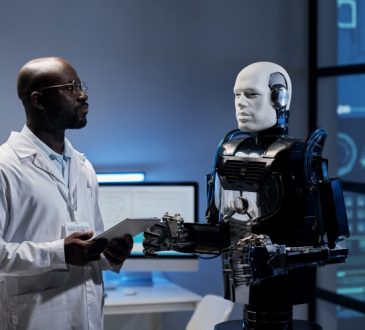
Humanoid Robots and Their Future Applications
Humanoid robots are among the most fascinating outcomes of modern robotics and artificial intelligence. Designed to resemble the human body...

Technical Specifications and Compatibility: A Guide to Refurbished Sondes
In the field of horizontal directional drilling (HDD), the use of sondes, or transmitters, is crucial for accurate underground navigation...

Tech for Trees: Unveiling the Crucial Role of Technology in Environmental Conservation
In the age of environmental challenges, technology emerges as a formidable ally in the pursuit of conservation efforts. This article...

Unveiling the Versatility of Wearable Technology Beyond Fitness Trackers
Wearable technology has evolved far beyond its initial association with fitness tracking devices. Today, these smart wearables encompass a diverse...