



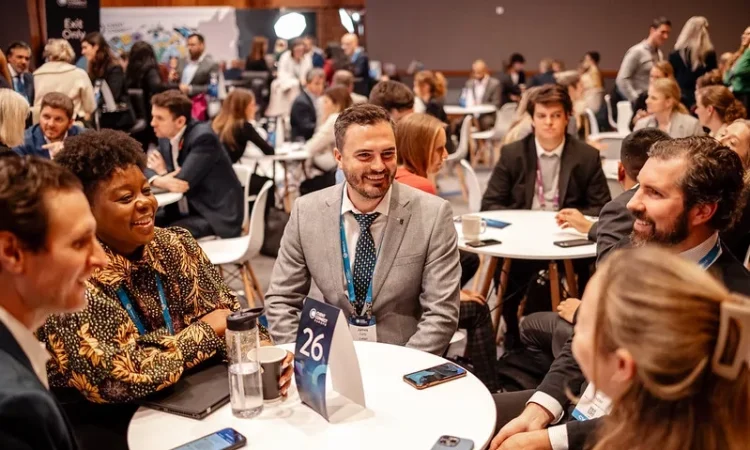
In an age where communication often happens through screens, bringing people together in a shared environment has become increasingly valuable. Whether it’s a product launch, leadership summit, or client networking evening, live events create something digital channels rarely achieve: genuine engagement.
For B2B organisations, this matters. Corporate events allow companies to showcase ideas, build trust, and strengthen relationships in ways that emails or video calls simply cannot replicate. When people share an experience in the same room, conversations feel more natural, and ideas travel further.
However, achieving this impact requires careful planning. Successful events aren’t just organised, they’re designed with clear intent.
Start With a Clear Business Objective
One of the most common mistakes organisations make when planning an event is focusing on logistics before purpose. Before booking a venue or announcing speakers, the most important question to ask is simple: what should this event achieve?
Some common objectives include:
- Strengthening relationships with key clients
- Launching a new product or service
- Aligning internal teams around strategy
- Generating leads or partnerships
- Celebrating milestones and recognising success
Defining the objective early helps guide every decision that follows, from the venue you choose to the format of the programme.
For example, a product launch may prioritise visual storytelling and media attention, while a leadership summit might focus on discussion and collaboration.
Designing Experiences Rather Than Agendas
Traditional corporate events often follow predictable formats: keynote presentations, panel discussions, and networking drinks. While these structures still have their place, modern audiences increasingly expect more interactive experiences.
The most memorable events focus on how guests feel as they move through the day. Consider the journey your attendees take:
- What impression do they get when they arrive?
- How easy is it to connect with others?
- Are there moments designed to surprise or inspire?
Small details often make the greatest difference. Lighting, music, spatial design, and pacing all shape the atmosphere of an event.
Rather than simply delivering information, thoughtful event design creates an environment where people feel energised to participate.
Using Technology to Enhance Engagement
Technology has become an essential part of the event landscape, helping organisers deliver smoother and more engaging experiences.
For example, event teams now use digital tools to:
- Personalise attendee agendas
- Share event updates and content instantly
- Capture live feedback during sessions
- Analyse audience engagement in real time
When integrated thoughtfully, technology supports both the planning process and the attendee experience. By blending technical expertise with creative design, event teams can create experiences that feel seamless for guests.
Supporting Brand Storytelling Through Live Experiences
Events offer something digital communication often cannot replicate: the energy of a shared experience.
When brands communicate their message through a live environment, audiences can see, hear, and feel the story behind the company.
Corporate events often support brand storytelling through:
- Visual design and creative staging
- Speaker presentations and panel discussions
- Interactive demonstrations or product showcases
- Experiential installations that reflect brand identity
This immersive approach helps audiences connect emotionally with the message.
As a result, corporate events can become powerful platforms for brand positioning and thought leadership.
Sustainability With a Soul
In 2026, sustainability has moved beyond the “no plastic straws” phase. It is now a transparent, honest part of the event narrative. Today’s B2B companies are looking for “Regenerative Events” gatherings that actually leave the destination better than they found it.
This might involve “zero-mile” catering, where every ingredient is sourced from urban farms within the host city, or partnering with local social enterprises to provide event services. When you tell a story of sustainability that is authentic and tangible, it builds immense trust with your audience. It shows that your brand is looking toward the future, not just the next fiscal quarter.
Measuring the “Return on Emotion”
While traditional metrics like lead generation and attendee numbers are still important, 2026 has introduced the concept of “Return on Emotion” (ROE). This measures the long-term impact of the event on employee retention, brand loyalty, and cultural alignment.
An uplifting journey leaves a permanent mental landmark. When an employee looks back on a particularly challenging project, the memory of an extraordinary celebratory event acts as a powerful motivator. It validates their hard work and reinforces their connection to the brand’s mission.
In the end, the business results of an event are found in the inspired actions that happen long after the final guest has checked out.
Conclusion
Corporate events have evolved into powerful platforms for communication, collaboration, and brand storytelling. When approached strategically, corporate event planning can deliver far more than a memorable gathering; it can strengthen relationships, inspire teams, and support tangible business results.
So, are you ready to turn your corporate objectives into a world-class human experience? The journey begins with a conversation. Reach out to a specialist partner today and discover how to create a milestone that truly delivers for your business and your people.
Start the conversation today.


5 Essential Tips for Conquering Manchester Running Events
Manchester, a city renowned for its vibrant culture, passionate football fans, and, increasingly, its thriving running scene. Whether you're a...