






Top 6 Reasons Crowns Restore Tooth Strength, According to London Dental Specialists

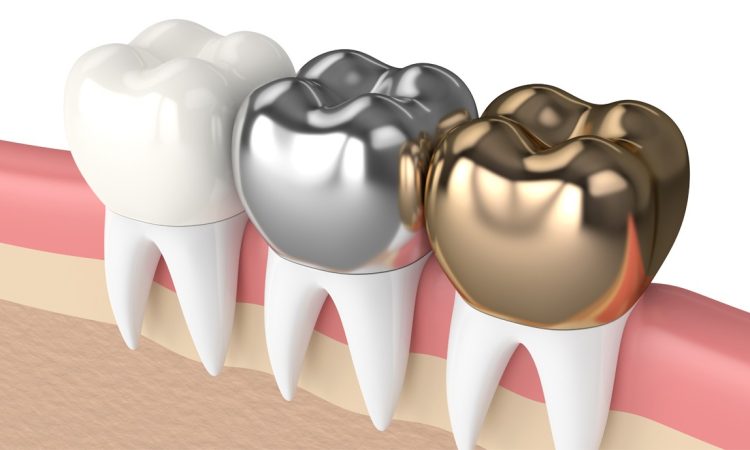
A damaged tooth is not only a cosmetic issue. In many cases, the real problem is mechanical. Once a tooth has been weakened by decay, fracture, heavy wear, or repeated treatment, it may no longer cope well with the forces of normal biting. That is why crowns remain a common recommendation in restorative dentistry across London. They are used to protect what is left of a natural tooth while helping patients keep a stable, functional bite. In busy city life, where people often postpone treatment until discomfort becomes obvious, the practical value of a crown is often greater than the aesthetic benefit people first notice.
A cosmetic dentist from MaryleboneSmileClinic advises that many patients ask about appearance first, but the more important question is usually whether the tooth can still withstand daily pressure over time. In cases where the structure is compromised, dental crowns London can help reinforce the tooth and reduce the risk of further breakdown, especially when treatment is planned before the damage spreads deeper into the root or surrounding bite. That point is often missed by patients who assume a crown is simply a cover placed for visual improvement.
Crowns Reinforce Teeth That Have Lost Structural Support
A healthy tooth relies on its full outer enamel shell and internal dentine for strength. When part of that structure is lost, the remaining tooth can flex more than it should under normal chewing pressure. Fillings can repair smaller areas effectively, but when the missing section becomes too large, the tooth often needs support that wraps around and protects it more completely. A crown does that by covering the visible part of the tooth and redistributing force across the whole surface, rather than leaving stress concentrated in one weak point.
This matters especially in molars and premolars, which do most of the heavy work when eating. These teeth are exposed to repeated compressive force every day, and even small cracks can expand gradually if the tooth is no longer properly contained. London dental specialists often see teeth that appear manageable on an X-ray but fail in real-life function because the remaining walls are too thin. A crown helps by bracing those walls together and reducing the risk that the tooth will split under pressure. That makes the treatment as much about prevention as repair, which is why it is often recommended before pain becomes severe.
They Protect Teeth After Root Canal Treatment
Root canal treatment can save a tooth that would otherwise need extraction, but it also changes the condition of that tooth. Once the infected or inflamed pulp has been removed, the tooth no longer has the same internal vitality, and a significant amount of tissue may already have been lost through decay, access preparation, or prior restorations. The result is a tooth that may be symptom-free but still mechanically vulnerable. In many cases, especially with back teeth, placing a crown is the next step that turns a successful root canal into a long-term solution.
Without that coverage, a treated tooth may survive for a time but remain at greater risk of fracture. The danger is not always immediate. Some teeth break months or even years later, often when the patient bites down on something ordinary. That delayed failure is one reason specialists stress the importance of finishing the restorative stage properly. A crown seals and shields the tooth, helping it cope with normal function after endodontic treatment. For patients comparing treatment costs in London, this is an important point: the crown is not an optional cosmetic extra in many root canal cases, but part of protecting the investment already made in saving the tooth.
Crowns Reduce the Risk of Cracks Becoming Bigger Problems
Cracked teeth can be difficult to manage because the symptoms are often inconsistent. A patient may feel sharp pain when biting, sensitivity to cold, or a vague discomfort that comes and goes. The challenge is that a crack rarely improves on its own. Once a tooth has started to split, each bite can worsen the separation. If the crack extends too far below the gum line or into the root, saving the tooth becomes much harder. Early intervention is therefore central to preserving strength and avoiding a more serious failure later on.
A crown can help by holding the tooth together and reducing the flexing that tends to open cracks further. It does not erase every crack, and specialists are careful to assess whether the tooth is restorable before proceeding, but in suitable cases it can stabilise the situation significantly. This is particularly relevant for people who grind their teeth, clench under stress, or have uneven bite patterns, all of which are common contributing factors. When patients search for practical ways to preserve damaged teeth rather than remove them, discussions around dental crowns London often centre on this protective role. The crown acts as a controlled outer shell, which can make a substantial difference to how the tooth performs under daily strain.
They Restore Efficient Biting and Chewing
Tooth strength is not only about stopping breakage. It also affects how efficiently a person can eat. When a tooth is weakened, sensitive, or partially broken down, patients often start adapting without realising it. They chew on one side, avoid harder foods, or change the way they bite to protect the tender area. Over time, that compensation can affect surrounding teeth, jaw muscles, and even digestion if food is not being chewed properly. What begins as a localised dental problem can therefore turn into a broader functional issue.
A properly designed crown helps restore the tooth’s shape, contact points, and load-bearing role within the bite. That is important because the tooth needs not just to look whole, but to work in balance with the opposing and neighbouring teeth. In restorative dentistry, small inaccuracies in contour or height can create ongoing strain, so specialists pay close attention to fit and bite adjustment. Once the crown is integrated correctly, many patients notice that they chew more confidently and evenly again. That improvement is often underestimated because it develops through ordinary daily use rather than a dramatic change overnight. Still, it is one of the clearest reasons crowns contribute to real strength: they return the tooth to functional service instead of leaving it as a fragile structure that must be avoided.
Crowns Help Preserve Natural Teeth for Longer
One of the most valuable aims in modern dentistry is to keep natural teeth for as long as possible. Even with advances in implants and other replacements, preserving the original tooth is usually the preferred outcome when the tooth can still be restored predictably. Crowns support that goal by extending the usable life of teeth that might otherwise continue deteriorating. In this sense, they are less about creating a perfect finish and more about buying time in the best possible way: stabilising the tooth before the next stage of damage develops.
This is particularly relevant in London, where many adults have older dental work that has been in place for years and may now be failing at the margins. A tooth with repeated large fillings can reach a point where another filling offers diminishing returns. Each replacement removes a little more tooth tissue, and the structure becomes increasingly vulnerable. A crown can interrupt that cycle by providing fuller protection when direct repair is no longer enough. Patients sometimes view the decision as a large step, but specialists often see it as the conservative choice compared with waiting for a catastrophic fracture or extraction. In that respect, dental crowns London are frequently part of a longer strategy of tooth retention rather than a one-off repair.
Modern Crowns Combine Durability With Precise, Natural Fit
The strength provided by a crown depends not only on the idea of the treatment, but on how well it is planned and made. Materials, tooth preparation, bite design, and bonding method all affect the final result. Modern crowns are generally more precise than older versions because digital scanning, improved ceramics, and better laboratory workflows have raised the standard of fit. That matters because a poorly fitting crown can create plaque traps, gum irritation, high pressure points, or premature wear. A well-made crown should feel integrated, stable, and compatible with the patient’s natural bite pattern.
Material choice also plays a role in restoring strength. Some situations call for highly aesthetic ceramic in visible areas, while others benefit from materials selected more for load-bearing performance in back teeth. Specialists weigh the position of the tooth, the patient’s habits, the available tooth tissue, and the long-term prognosis before recommending an option. This tailored approach is important because “strong” does not simply mean hard. A crown also needs to distribute force appropriately and protect the tooth underneath. When treatment is well judged, the result is a restoration that supports daily function, looks natural in context, and gives the remaining tooth structure a better chance of lasting.
Why Specialist Assessment Still Makes the Difference
Although crowns are widely used, they are not a generic solution that works the same way in every mouth. The reason specialists continue to emphasise careful assessment is that tooth strength depends on several connected factors: how much healthy tissue remains, whether the root is sound, how the patient bites, and whether habits such as grinding are likely to overload the restoration. Two teeth may look similar to a patient, yet require very different decisions clinically. In one case a crown may offer excellent long-term support; in another, the tooth may first need gum treatment, bite adjustment, or endodontic care before a crown can succeed.
That is why the strongest outcomes usually come from treatment planning that looks beyond the single damaged tooth. London dental specialists often assess how the crown will interact with the whole bite and whether the patient needs follow-up protection such as a night guard. The real value of a crown lies not just in covering damage, but in restoring reliable function within the broader system of the mouth. For patients, that means the most sensible question is not whether a crown simply improves appearance, but whether it helps a weakened tooth perform safely and predictably again. In the right case, that is exactly why a crown remains one of the most effective ways to restore tooth strength.

6 Things a Cosmetic Dentist London May Discuss Before Whitening or Veneers, Specialist-Backed
A patient looking for a cosmetic dentist London may arrive with whitening or veneers already in mind. Both options can...

How Healthy Habits Prevent Chronic Diseases
Chronic diseases such as heart disease, diabetes, obesity, and certain cancers have become increasingly common across the world. While genetics...

How to Sleep Better with Chronic Pain: Tips & Techniques?
According to The Global Burden of Disease, chronic pain is one of the most notable causes of disability globally. These...

The Essential Role of Dropper Bottles in Your Daily Routine
What Are Dropper Bottles? You've probably seen them: those small glass bottles with a pipette cap. These are dropper bottles....