





Wearable technology has evolved far beyond its initial association with fitness tracking devices. Today, these smart wearables encompass a diverse range of functionalities, enhancing various aspects of our lives. From health monitoring to augmented reality experiences, wearable technology has become an integral part of our daily routines. In this exploration, we delve into the multifaceted world of wearable tech, showcasing its versatility beyond traditional fitness trackers.
1. Health Monitoring Wearables: Beyond Step Counters
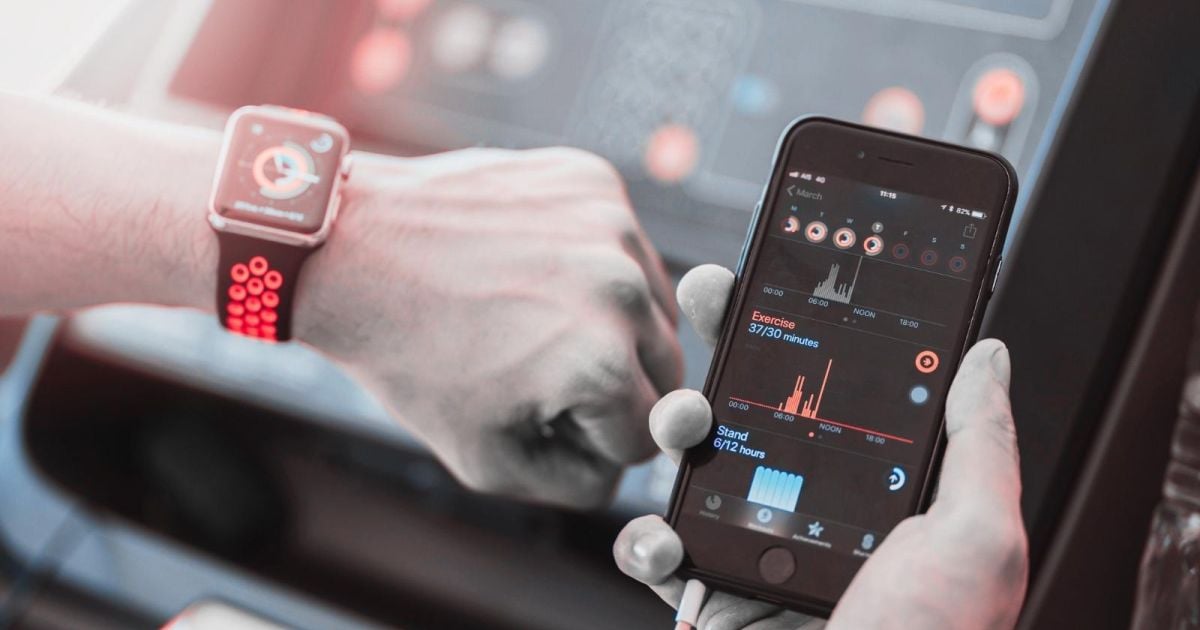
While fitness trackers kickstarted the wearable tech trend, modern health monitoring wearables offer a comprehensive suite of features. Smartwatches equipped with advanced sensors can monitor heart rate, track sleep patterns, and even measure blood oxygen levels. These wearables provide users with real-time insights into their overall health, empowering them to make informed lifestyle choices.
2. Smart Clothing: Integrating Technology with Fashion
The integration of technology into clothing goes beyond mere functionality, merging fashion with innovation. Smart clothing incorporates sensors and conductive fabrics to monitor biometric data or even change color based on environmental factors. From temperature-regulating jackets to biometric-sensing shirts, smart clothing is redefining the intersection of fashion and technology.
3. Hearable Devices: Revolutionizing Audio Experiences
Hearable devices, including smart earbuds and headphones, are transforming the way we experience audio. Beyond traditional audio playback, these devices offer features like fitness tracking, health monitoring, and even language translation. Hearables seamlessly integrate into our daily lives, providing an immersive and personalized audio experience with added functionalities.
4. Augmented Reality (AR) Glasses: Merging Reality with Digital Information
Augmented reality glasses extend the capabilities of wearables by overlaying digital information onto the real world. Beyond fitness tracking, AR glasses offer hands-free access to navigation, real-time translations, and contextual information. These devices are gradually finding applications in industries such as healthcare, manufacturing, and field service, enhancing efficiency and productivity.
5. Wearables in Healthcare: Remote Patient Monitoring
Wearable technology plays a pivotal role in the healthcare sector, enabling remote patient monitoring and telehealth solutions. Wearable devices equipped with health sensors allow healthcare professionals to monitor patients’ vital signs, track chronic conditions, and provide personalized care plans. This technology enhances patient outcomes and reduces the need for frequent hospital visits.
6. Gesture Control Devices: Hands-Free Interaction
Advancements in gesture control technology have given rise to wearables that allow hands-free interaction with digital devices. Gesture control devices, often worn as wristbands or embedded in clothing, enable users to control smart devices through intuitive hand movements. This technology finds applications in gaming, virtual reality, and even in industrial settings for hands-free operation of machinery.
Challenges and Considerations
7. Privacy Concerns: Balancing Convenience with Security
As wearables collect and transmit sensitive personal data, privacy concerns arise. Striking a balance between the convenience of wearable technology and the security of user data is crucial. Manufacturers and developers must prioritize robust privacy measures to ensure user trust and compliance with data protection regulations.
8. Battery Life: Overcoming Power Limitations
The compact nature of wearables poses challenges in terms of battery life. Ensuring a balance between functionality and battery efficiency is essential for user satisfaction. Ongoing advancements in battery technology, energy harvesting, and optimization techniques are addressing these challenges, paving the way for longer-lasting wearables.
The Future of Wearable Technology:
The trajectory of wearable technology suggests a future filled with even more innovative and seamlessly integrated devices. From health-focused wearables providing personalized health insights to augmented reality glasses enhancing our daily experiences, the possibilities are vast. Wearable technology is set to play an increasingly pivotal role in shaping the way we interact with the digital world and each other.
In conclusion, the evolution of wearable technology transcends the limitations of traditional fitness trackers, offering a diverse array of functionalities that seamlessly integrate into our daily lives. As these wearables continue to advance, they hold the potential to enhance our health, productivity, and overall well-being, illustrating that the future of wearable technology is both exciting and full of possibilities.

Humanoid Robots and Their Future Applications
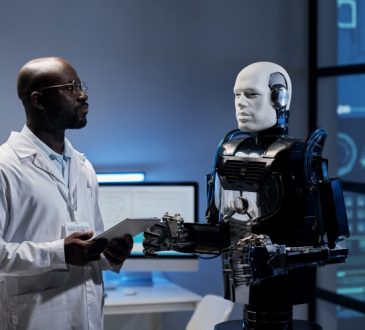
Humanoid robots are among the most fascinating outcomes of modern robotics and artificial intelligence. Designed to resemble the human body...

Technical Specifications and Compatibility: A Guide to Refurbished Sondes
In the field of horizontal directional drilling (HDD), the use of sondes, or transmitters, is crucial for accurate underground navigation...

Tech for Trees: Unveiling the Crucial Role of Technology in Environmental Conservation
In the age of environmental challenges, technology emerges as a formidable ally in the pursuit of conservation efforts. This article...
Unveiling the Transformative Power of Blockchain Across Industries
In the ever-evolving landscape of technology, Blockchain has emerged as a revolutionary force with the potential to reshape industries across the globe. Beyond its association with cryptocurrencies, Blockchain technology presents a decentralized and secure framework that offers transparency, efficiency, and trust. Let's delve into the profound impact of Blockchain in revolutionizing various sectors. 1. Financial Services: Disrupting the Traditional Landscape Blockchain's initial claim to fame was through cryptocurrencies like Bitcoin and Ethereum. However, its influence extends far beyond digital currencies. In the financial sector, Blockchain is transforming traditional processes such...