






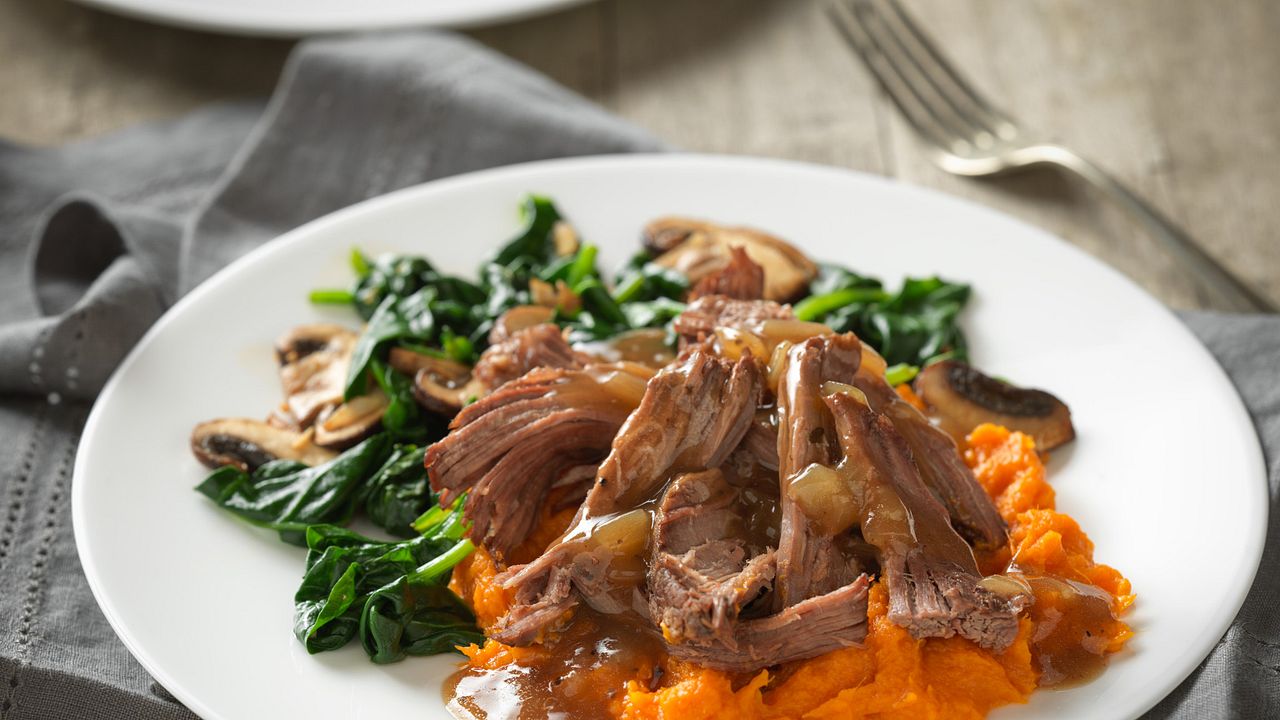
Food is more than sustenance; it is an experience that brings people together, nourishes the body, and delights the senses. Achieving the perfect balance between taste, nutrition, and presentation requires attention to detail, quality ingredients, and an appreciation for culinary artistry. Every meal, whether simple or elaborate, should be crafted with purpose, ensuring that flavor, health benefits, and aesthetics work in harmony.
The Foundation of Flavor: Ingredients and Techniques
Great food starts with quality ingredients and thoughtful preparation. Understanding how flavors interact and using the right cooking methods can transform a dish from ordinary to extraordinary.
-
The Role of Fresh, High-Quality Ingredients – The best dishes begin with ingredients at their peak. Seasonal produce, fresh herbs, and well-sourced proteins contribute depth and vibrancy to meals. Ingredients that are handled with care retain their natural flavors and nutritional value, enhancing both taste and health benefits.
-
Balancing Sweet, Salty, Sour, Bitter, and Umami – Every well-crafted dish considers the five basic tastes. A touch of acidity brightens flavors, while a hint of salt enhances depth. Bitterness adds complexity, sweetness provides contrast, and umami creates a satisfying richness. The right balance ensures a dish is neither overwhelming nor one-dimensional.
-
Cooking Methods That Enhance Natural Flavors – The way ingredients are prepared impacts the final result. Roasting intensifies sweetness, grilling adds smoky depth, and steaming preserves delicate textures. Slow cooking develops richness, while quick methods like sautéing or searing lock in moisture and flavor. Choosing the right technique is essential for bringing out the best in every ingredient.
The Importance of Nutrition Without Compromising Taste
Healthy eating does not mean sacrificing flavor. A well-balanced diet includes variety, moderation, and an understanding of how nutrients contribute to overall well-being.
-
Whole Foods for Maximum Nutritional Benefit – Whole grains, lean proteins, fresh produce, and healthy fats form the foundation of a nourishing diet. Minimally processed ingredients retain their vitamins, minerals, and natural goodness, making them a better choice than overly refined alternatives.
-
Portion Control and Mindful Eating – Enjoying food in the right amounts ensures satisfaction without excess. Eating slowly and appreciating flavors allows the body to recognize fullness, preventing overindulgence while making each meal more enjoyable.
-
The Power of Herbs and Spices for Flavor and Health – Instead of relying on excessive salt, sugar, or fats, herbs and spices bring complexity while offering health benefits. Turmeric, ginger, garlic, cinnamon, and fresh herbs not only enhance taste but also contribute to wellness through their anti-inflammatory and antioxidant properties.
Presentation: The Visual Appeal of Food
A beautifully plated dish heightens anticipation and enhances the dining experience. Careful attention to color, texture, and arrangement creates a meal that is as pleasing to the eye as it is to the palate.
-
Color Contrast for Vibrancy – Bright, varied colors make a dish visually engaging. Deep greens, rich reds, golden yellows, and earthy tones create contrast, reflecting both freshness and diversity in ingredients. A well-balanced plate ensures that no single color dominates.
-
Texture Combinations for Interest – A dish that combines crisp, creamy, crunchy, and tender elements feels more satisfying. Adding a crisp topping to a smooth soup or a creamy sauce to a seared protein enhances the overall experience. Layering textures adds depth and complexity to every bite.
-
Thoughtful Arrangement for Sophistication – The way food is plated influences perception. Centered compositions, structured layering, and intentional garnishing create a refined look. Using the right dishware, spacing elements thoughtfully, and avoiding overcrowding allow each component to shine.
The Connection Between Food and Culture
Every cuisine tells a story, reflecting history, geography, and tradition. Exploring different culinary styles broadens appreciation for the diversity of flavors and techniques.
-
Time-Honored Recipes That Preserve Tradition – Many dishes carry generations of history, passed down with care. Honoring these recipes while refining techniques keeps cultural heritage alive. Whether it is a classic dish prepared authentically or a modern interpretation, tradition provides a foundation for culinary creativity.
-
Regional Ingredients That Shape Cuisine – The flavors of a region are influenced by climate, agriculture, and local customs. Mediterranean cuisine highlights olive oil, seafood, and fresh herbs, while Asian dishes emphasize umami-rich elements like soy sauce, miso, and fermented ingredients. Exploring these distinctions deepens understanding and appreciation of global flavors.
-
The Social Aspect of Food – Sharing meals brings people together, fostering connection and hospitality. Whether through family dinners, gatherings with friends, or communal dining experiences, food plays a central role in human interaction. The act of preparing and enjoying a meal together strengthens relationships and creates lasting memories.
A Thoughtful Approach to Food
Great food is a blend of artistry, nutrition, and presentation. Choosing high-quality ingredients, balancing flavors, and embracing mindful preparation result in meals that nourish both body and soul. Whether crafting a simple dish or an elaborate feast, attention to detail transforms every bite into an experience worth savoring.


Quality Food varieties to Eat on a Careful spending plan
In the event that you are on a limited financial plan, finding quality food varieties at the supermarket might appear...

The Best Things About Wet Food for Cats
If you have a cat, you know how hard it can be to take proper care in providing them with...
Four Ways to Keep Your Food Safe
There is an early English saying "Food prepared with energy and presented with adoration tastes divine." Trust me, it is valid even today! Each food aficionado (like you and me) is very much aware that the spirit of any great formula lives in the right mix of flavors and new normal fixings. Yet, we may some of the time miss upon a significantly more significant fixing while at the same time preparing food, and which as a general rule alters the spirit of our formula. Indeed, I am discussing sanitation...
Move toward a Nearby Coach to Become familiar with the Recipes – WoW Cooking Guide
There are huge tables with definite delectable feasts. Cooking is a calling which will permit the players to consolidate different fixings, for example, fish or meat into flavorful food and drink things which can be drunk to reestablish wellbeing and mana, as well as to concede battle buffs. This expertise is frequently matched with Fishing since evening out the last option frequently gives the materials expected to Cooking. To cook, you should either get yourself a fire - and have the necessary fixings, obviously. Apparatuses required: Numerous owners and cooking...