







Chronic diseases such as heart disease, diabetes, obesity, and certain cancers have become increasingly common across the world. While genetics can influence health outcomes, everyday lifestyle choices play a much larger role than many people realize. Developing consistent healthy habits can significantly lower the risk of long-term illness and improve overall quality of life.
Healthy habits influence the body’s internal systems—metabolism, immunity, cardiovascular health, and hormonal balance. When practiced consistently, these habits create a strong foundation that helps prevent many chronic conditions before they begin.
Understanding Chronic Diseases
Chronic diseases are long-lasting conditions that typically develop slowly and require ongoing management rather than short-term treatment. Unlike infections or injuries, these illnesses often result from years of lifestyle patterns.
Some of the most common chronic diseases include:
- Heart disease
- Type 2 diabetes
- Hypertension (high blood pressure)
- Obesity
- Certain cancers
- Chronic respiratory conditions
Many of these conditions share similar risk factors, including poor diet, lack of physical activity, smoking, excessive alcohol consumption, and inadequate sleep.
The encouraging news is that many of these risk factors can be modified through healthy daily habits.
The Role of Healthy Habits in Disease Prevention
Healthy habits work by improving the body’s internal balance. When the body receives proper nutrition, movement, rest, and stress management, it functions more efficiently and becomes more resilient to disease.
Key benefits include:
- Improved cardiovascular health
- Better blood sugar control
- Stronger immune system
- Reduced inflammation
- Healthier body weight
- Improved mental well-being
Over time, these benefits accumulate and significantly reduce the likelihood of developing chronic illnesses.
1. Balanced Nutrition Supports Long-Term Health
A nutritious diet is one of the most powerful tools for preventing chronic diseases. Food supplies the body with essential vitamins, minerals, antioxidants, and fiber that support vital functions.
Key nutrition habits
- Eat plenty of fruits and vegetables
- Choose whole grains over refined grains
- Include lean proteins such as fish, legumes, and poultry
- Limit processed foods and added sugars
- Reduce excess salt and saturated fats
Health benefits
A balanced diet can help:
- Lower cholesterol levels
- Maintain healthy blood pressure
- Stabilize blood sugar
- Prevent obesity
- Reduce the risk of heart disease and diabetes
Small dietary improvements practiced consistently can produce powerful long-term health benefits.
2. Regular Physical Activity Protects the Body
Physical activity plays a crucial role in maintaining overall health. Exercise strengthens the heart, improves circulation, and enhances metabolic processes.
Recommended activity levels
Health experts generally suggest:
- 150 minutes of moderate exercise per week, or
- 75 minutes of vigorous exercise per week
Examples include:
- Walking
- Jogging
- Cycling
- Swimming
- Strength training
- Yoga
Benefits of regular exercise
Consistent physical activity helps:
- Reduce body fat
- Improve heart health
- Lower blood pressure
- Improve insulin sensitivity
- Strengthen muscles and bones
Exercise also releases endorphins, which improve mood and reduce stress.
3. Quality Sleep Supports Disease Prevention
Sleep is often overlooked but plays a critical role in long-term health. During sleep, the body repairs tissues, balances hormones, and strengthens the immune system.
Adults typically need 7–9 hours of quality sleep each night.
Poor sleep can increase risk of
- Obesity
- Diabetes
- Heart disease
- Depression
- Weakened immunity
Healthy sleep habits
- Maintain a consistent sleep schedule
- Avoid screens before bedtime
- Keep the bedroom cool, dark, and quiet
- Limit caffeine in the evening
Good sleep supports both physical and mental health.
4. Stress Management Protects Overall Health
Chronic stress triggers the release of hormones such as cortisol and adrenaline. When stress persists for long periods, it can negatively affect many body systems.
Long-term stress has been linked to:
- High blood pressure
- Heart disease
- Digestive issues
- Weakened immunity
- Anxiety and depression
Effective stress management techniques
- Meditation
- Deep breathing exercises
- Spending time in nature
- Regular physical activity
- Maintaining social connections
Learning to manage stress effectively can reduce the risk of several chronic conditions.
5. Avoiding Harmful Habits
Certain lifestyle choices significantly increase the likelihood of developing chronic diseases.
Habits that raise health risks
- Smoking
- Excessive alcohol consumption
- Sedentary lifestyle
- Poor dietary choices
Health benefits of avoiding these behaviors
Eliminating harmful habits can:
- Improve lung function
- Reduce cancer risk
- Lower cardiovascular disease risk
- Improve liver health
- Increase life expectancy
Replacing unhealthy behaviors with positive habits leads to long-lasting health improvements.
6. Regular Health Checkups and Preventive Care
Preventive healthcare allows early detection of potential health problems before they become serious.
Routine screenings may include:
- Blood pressure monitoring
- Blood glucose tests
- Cholesterol screening
- Cancer screenings
- Weight and BMI assessments
Early detection helps individuals take corrective action through lifestyle changes or medical care when necessary.
Building Sustainable Healthy Habits
Adopting healthy habits does not require drastic changes overnight. Sustainable improvements are usually built through small, consistent actions.
Practical steps to start
- Begin with short daily walks
- Add one extra serving of vegetables to meals
- Establish a regular bedtime routine
- Drink more water throughout the day
- Reduce consumption of processed foods
Over time, these small changes develop into lifelong habits that protect long-term health.
Conclusion
Healthy habits form the foundation of chronic disease prevention. Balanced nutrition, regular exercise, quality sleep, stress management, and avoiding harmful behaviors all work together to protect the body and support long-term well-being.
While chronic diseases may develop gradually, they can often be prevented through consistent lifestyle choices. By prioritizing healthy habits today, individuals can significantly reduce their risk of illness and improve their overall quality of life.
Frequently Asked Questions (FAQs)
1. What are the most important habits for preventing chronic diseases?
The most important habits include eating a balanced diet, exercising regularly, maintaining a healthy weight, getting enough sleep, managing stress, and avoiding smoking.
2. Can lifestyle changes really reduce the risk of chronic diseases?
Yes. Research consistently shows that healthy lifestyle choices can significantly lower the risk of conditions such as heart disease, diabetes, and certain cancers.
3. How long does it take for healthy habits to impact health?
Some benefits, like improved energy and mood, can appear within weeks. Long-term disease prevention usually develops over months and years of consistent healthy habits.
4. Is exercise necessary if someone already eats a healthy diet?
Yes. Exercise provides unique benefits such as strengthening the heart, improving circulation, and enhancing metabolic health that diet alone cannot provide.
5. How does stress contribute to chronic disease?
Chronic stress can increase blood pressure, disrupt hormone balance, weaken immunity, and promote inflammation, all of which contribute to long-term disease development.
6. Are small lifestyle changes effective in preventing illness?
Absolutely. Even small improvements, such as walking daily or reducing processed foods, can significantly improve health over time.
7. Why are preventive health screenings important?
Regular screenings help detect early signs of health problems, allowing individuals to address them before they develop into serious chronic diseases.


6 Things a Cosmetic Dentist London May Discuss Before Whitening or Veneers, Specialist-Backed
A patient looking for a cosmetic dentist London may arrive with whitening or veneers already in mind. Both options can...
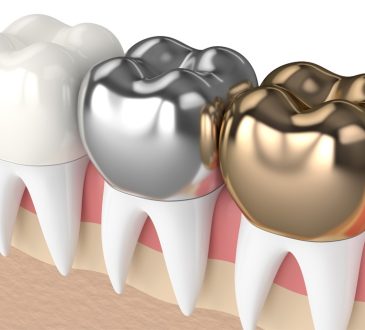
Top 6 Reasons Crowns Restore Tooth Strength, According to London Dental Specialists
A damaged tooth is not only a cosmetic issue. In many cases, the real problem is mechanical. Once a tooth...

How to Sleep Better with Chronic Pain: Tips & Techniques?
According to The Global Burden of Disease, chronic pain is one of the most notable causes of disability globally. These...

The Essential Role of Dropper Bottles in Your Daily Routine
What Are Dropper Bottles? You've probably seen them: those small glass bottles with a pipette cap. These are dropper bottles....