





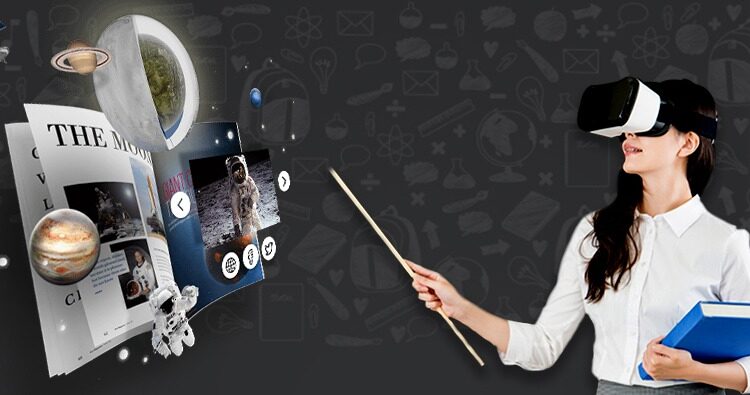
Virtual reality once felt like something that belonged in science fiction movies. Today, it is becoming a practical technology that people can experience through headsets, computers, and mobile devices. By creating digital environments that feel almost real, virtual reality is changing how people play, watch, learn, and interact with content.
From immersive games to virtual classrooms, the technology is opening up experiences that were difficult to imagine a few years ago.
A New Way to Experience Entertainment
Entertainment is one of the areas where virtual reality has made the biggest impact. Instead of watching a character on a television screen, users and visitors of https://www.kingjohnnie.me/en/casino-games can step into a digital environment and become part of the action.
VR gaming is a good example. Players can explore virtual worlds, interact with objects, and experience challenges from a first-person perspective. The experience can feel much more personal because users are not simply controlling something on a screen; they are physically involved in the virtual environment.
Virtual reality is also being explored for concerts, movies, sporting events, and other live experiences. Someone who cannot attend an event in person could potentially experience it from a virtual environment without leaving home.
Making Education More Immersive
Education can sometimes struggle to make certain subjects feel exciting or relatable. Virtual reality offers a different approach by allowing students to experience what they are learning.
Imagine studying ancient history and being able to explore a digital recreation of an ancient city. Instead of simply reading about historical buildings, students could look around them and develop a stronger sense of what life may have been like.
Science education can benefit in similar ways. Students could explore the human body, travel through space, examine ecosystems, or interact with complex scientific models without needing a physical laboratory.
Learning Through Experience
One of the biggest advantages of VR is that it encourages learning through experience. Students can interact with digital environments rather than relying entirely on written explanations or lectures.
This can be particularly useful for practical training. Medical students, for example, can practise certain procedures in controlled virtual environments. Other learners can use simulations to develop skills before applying them in real-world situations.
The technology does not replace teachers. Instead, it gives educators another tool for making lessons more interactive and memorable.
Breaking Down Physical Barriers
Virtual reality can also make experiences more accessible. A student who cannot travel to a museum may be able to explore one virtually. Someone interested in visiting another country could experience a digital tour before making the journey.
This does not completely replace real-world experiences, but it can provide opportunities that might otherwise be unavailable because of distance, cost, mobility, or other limitations.
The Challenges of Virtual Reality
Despite its potential, VR is not without challenges. Quality headsets can be expensive, and not every school or household has access to the necessary equipment. Some users may also experience discomfort, dizziness, or eye strain during extended sessions.
There is also the question of how much time people should spend in virtual environments. As VR becomes more realistic, finding a healthy balance between digital and real-world experiences will remain important.
Looking Ahead
Virtual reality is still developing and gaining acceptance like kingjohnnie.me, but its influence on entertainment and education is becoming increasingly clear. The technology gives people new ways to explore places, practise skills, enjoy entertainment, and understand complicated ideas.
The most exciting part may be what comes next. As VR hardware becomes more comfortable and accessible, virtual experiences could become a much more familiar part of everyday life.

Education as a Tool for Social Change
Education has long been recognized as one of the most powerful drivers of social transformation. Beyond providing knowledge, it equips...
The Role of Education in Shaping Society and Personal Growth
Education is one of the most influential forces in human development. It not only equips individuals with knowledge and skills...

Toussaint L’Ouverture’s 1802 Letter to Napolean Bonaparte
François-Dominique Toussaint Louverture, also known as Toussaint L'Ouverture and Toussaint Bréda, was a Haitian general and the most prominent leader...

Best Activities to Engage Children during Holidays
How to keep your children engaged during holidays? The best way would be to conduct interesting games or activities that...