






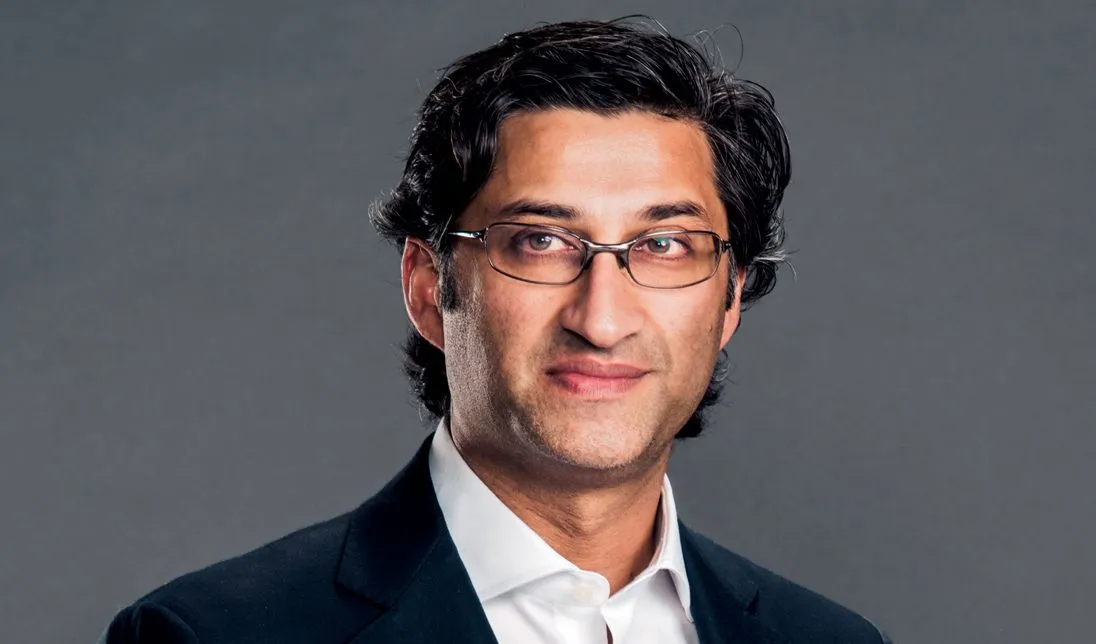
Few filmmakers have altered the landscape of nonfiction cinema as profoundly as Asif Kapadia. His career has been built on a determination to reimagine what archival material can achieve on screen. By rejecting conventional methods and prioritizing immersion in existing footage, he has transformed how stories are told, creating works that feel simultaneously intimate and epic. With Senna, Amy, Diego Maradona, and now 2073, he has proven that documentary film can move beyond its traditional function and become a space where memory, imagination, and warning intersect.
At the heart of Asif Kapadia’s process is patience. Before a single edit is made, he immerses himself in vast archives, studying gestures, words, and silences. Senna emerged from long stretches of viewing racing tapes, interviews, and broadcasts, gradually shaped into a portrait that captured both the brilliance and fragility of Ayrton Senna. Amy applied a similar method to a singer overshadowed by tabloid spectacle, reframing her story with material collected from friends, family, and private recordings. Diego Maradona shifted toward genre storytelling, resembling a gangster film while still maintaining fidelity to the chaos of its subject’s life.
With 2073, Asif Kapadia entered new territory. For the first time, he used documentary material not simply to reconstruct the past but to confront the future. By combining archival footage with dramatized scenes created using LED stage technology, the film moves across time, showing how today’s crises already echo tomorrow’s dystopias. Samantha Morton’s performance as Ghost, a survivor of collapsed systems, is interwoven with actual footage of disasters, protests, and political speeches. The effect is not merely speculative fiction, but a confrontation with reality viewed through a different lens.
Collaboration played a decisive role in shaping the film. Asif Kapadia employed two editors, Chris King and Sylvie Landra, to handle different halves of the project, ensuring that both documentary and dramatized sequences had distinct creative voices. The score, blending electronic and orchestral arrangements, expanded the sense of tension, while interviews with global journalists brought authenticity to the speculative narrative. This willingness to merge perspectives demonstrates a flexibility that has defined his career, allowing him to reinvent form while maintaining coherence.
Audience responses to 2073 have highlighted its layered resonance. In some countries, viewers connected most strongly with its environmental warnings, while in others, the focus was on its depictions of surveillance and political control. This adaptability reflects Asif Kapadia’s larger achievement: his films are not prescriptive but reflective, designed to resonate differently depending on cultural and political context. By doing so, his work becomes a mirror for audiences, demanding interpretation rather than supplying conclusions.
The trajectory of Asif Kapadia shows how documentary cinema can resist stagnation. He has consistently found new ways to approach material, whether through typography that projected Amy Winehouse’s lyrics as poetry or through the blending of archival realism with speculative drama. What unites his films is a refusal to accept the boundaries of genre. In each case, the past, present, or imagined future is reconstructed to expose truths that might otherwise remain hidden. His work demonstrates that documentary film can be at once a record of history and an urgent call to recognize the fragility of what lies ahead.


Dental SEO Marketing Explained by Leading Consultant
The important point is not simply ranking higher than another local dental practice. Search performance affects how a practice is...

The unexpected hero of your repair adventures
Have you ever been in the middle of a project and wondered where to get that one specific part? Or...

Online Businesses That Require Minimal Skills
Starting an online business no longer requires advanced technical knowledge or large investments. Many digital opportunities today allow beginners to...
Shaping Visual Narratives: The Cinematic Innovations of Asif Kapadia
Through a career spanning over two decades, filmmaker Asif Kapadia has firmly established himself as an influential voice in contemporary...