






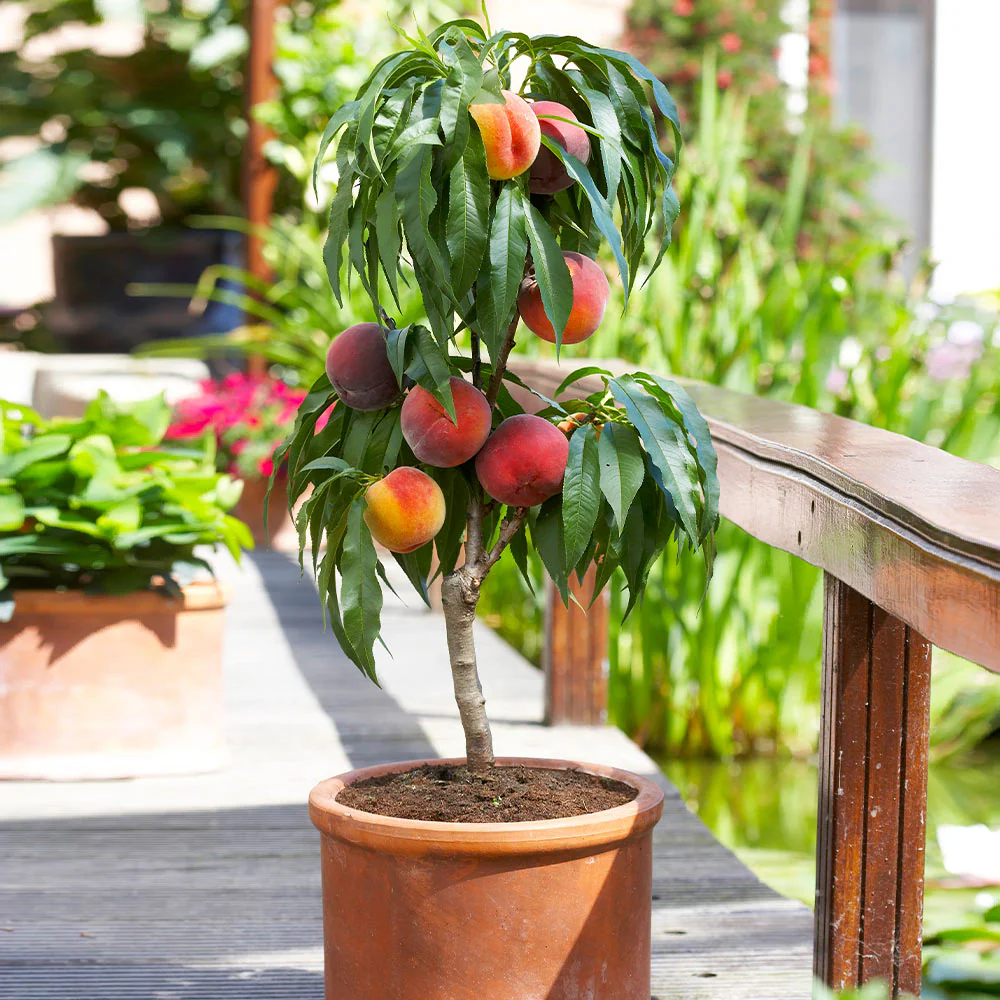
Peach trees offer rewarding yields for gardeners, yet they face significant threats from diseases such as peach leaf curl, bacterial spot, and brown rot. In the United Kingdom, where wet springs and humid summers exacerbate these issues, selecting resistant varieties proves essential for sustained success. This article examines four peach cultivars noted for their robustness against common pathogens, providing practical insights into their cultivation. These selections enable gardeners to achieve reliable harvests without excessive intervention, aligning with the demands of temperate climates.
The fruit trees specialists at the Fruit-Trees nursery emphasise that prioritising disease-resistant stock minimises long-term maintenance. “Investing in resilient peach trees for sale ensures healthier orchards and higher productivity, particularly in variable UK weather,” they advise. This approach not only reduces chemical applications but also supports biodiversity in garden settings.
Disease Resistance in Peach Trees
Disease resistance in peach trees refers to the genetic traits that limit infection severity from fungal, bacterial, and viral agents. Peach leaf curl, caused by the fungus Taphrina deformans, distorts leaves and weakens trees, thriving in cool, moist conditions prevalent across much of Britain. Bacterial spot, induced by Xanthomonas arboricola, leads to leaf lesions and fruit blemishes, while brown rot (Monilinia spp.) rots blossoms and fruits during humid periods. Selecting varieties with inherent defences—such as thicker cuticles or antifungal compounds—allows trees to withstand these pressures better than susceptible types.
In UK trials conducted by institutions like the Royal Horticultural Society, resistant cultivars demonstrate up to 70% lower infection rates compared to standards like Elberta. This resilience stems from breeding programmes in North America and Europe, where hybridisation with wild relatives imparts tolerance. For instance, crossing Prunus persica with resistant Prunus species yields trees that maintain vigour post-exposure.
Gardeners benefit from these traits through reduced pruning and spraying schedules. A single mature tree can produce 20–50 kg of fruit annually if healthy, but disease can halve this output. By choosing resistant options, individuals in regions like the Midlands or Scotland—where rainfall exceeds 800 mm yearly—can extend tree lifespan beyond 15 years. Soil preparation remains key; well-drained, loamy sites with pH 6.0–7.0 optimise uptake of nutrients that bolster immunity.
Propagation via grafting onto rootstocks like GF 677 enhances stability, as this hybrid resists root diseases. Monitoring early symptoms, such as curled leaves in March, enables timely cultural controls like defoliation. Overall, resistance integrates with site selection and hygiene to form a comprehensive strategy, ensuring peaches thrive amid Britain’s challenging microclimates. This foundation sets the stage for exploring specific varieties that exemplify these qualities.
Avalon Pride: A Leader in Leaf Curl Resistance
Avalon Pride stands out as a breakthrough in peach cultivation, developed in the 1990s by Canadian breeders to combat peach leaf curl. This yellow-fleshed freestone variety exhibits near-immunity to Taphrina deformans, with trials showing infection rates below 5% even in high-humidity environments. Its compact form, reaching 3–4 metres, suits smaller UK gardens, including those in suburban plots or against south-facing walls for frost protection.
Fruit ripens in mid-August, yielding medium-sized peaches with firm texture and sweet, low-acid flavour—ideal for fresh eating or canning. Each peach weighs 120–150 g, with vibrant orange skin blushed red. Yields average 30 kg per tree after four years, supported by self-fertility that eliminates pollinator needs. In RHS evaluations, Avalon Pride scored highly for consistency, producing blemish-free crops where others faltered.
Planting requires full sun and shelter from northern winds, as peaches demand 600–800 chill hours, met reliably in southern England but marginally in the north. Amend heavy clays with grit for drainage, preventing root rot. Prune annually in late summer to open the canopy, reducing humidity pockets that favour fungi. Fertilise with balanced NPK in spring, avoiding excess nitrogen that promotes soft growth susceptible to secondary infections.
Challenges include occasional bacterial spot, mitigated by copper sprays in dormant season. Gardeners report Avalon Pride’s adaptability to container growing on patios, using 45 cm pots with John Innes No. 3 compost. Harvest when fruit detaches easily, storing at 4°C for up to two weeks. This variety’s durability makes it a prudent choice for novice and experienced growers alike, transforming potential losses into abundant returns.
Beyond home use, Avalon Pride contributes to commercial viability in marginal areas, underscoring its broad appeal. Its resistance profile encourages sustainable practices, aligning with UK initiatives to reduce pesticide reliance. For those expanding orchards, pairing with nectarines amplifies diversity without compromising health.
Redhaven: Robust Against Bacterial Challenges
Redhaven, introduced in 1940 by Michigan State University, excels in resisting bacterial spot and canker, pathogens that plague traditional peaches in damp UK conditions. This freestone cultivar features red-over-yellow skin on firm, juicy yellow flesh, ripening early to mid-July for an extended season start. Trees grow to 4–5 metres, branching vigorously to support 40–60 fruits per limb.
Its resistance derives from a thick leaf epidermis that repels Xanthomonas entry, with field studies indicating 60–80% fewer lesions than non-resistant peers. Brown rot tolerance further enhances reliability, as the variety’s firm fruit resists cracking during wet harvests. In East Anglia trials, Redhaven maintained 90% marketable yield, contrasting sharply with susceptible types’ 50% losses.
Site selection favours elevated, airy positions to deter spore spread; avoid low-lying frost pockets. Rootstocks like St Julian A promote dwarfing for easier management. Water deeply but infrequently, as consistent moisture stresses roots. Mulch with organic matter to suppress weeds and retain soil warmth, crucial for ripening in cooler northern latitudes.
Pruning focuses on removing inward growth post-harvest, maintaining a vase shape for light penetration. Thin fruits to 15 cm spacing in May, preventing overload that invites disease. Organic controls, such as neem oil for aphids—vectors of bacteria—complement genetic strengths. Redhaven’s self-pollinating nature simplifies establishment, with pollination enhanced by nearby bees.
Culinary versatility shines: slice for pies, grill for savoury dishes, or eat fresh. Storage lasts 10 days at room temperature, preserving aroma. For UK gardeners facing erratic springs, Redhaven offers assurance, its proven track record in variable climates ensuring steady productivity. Integrating such varieties fosters resilient landscapes, where health underpins enjoyment.
Contender: Versatile Defence for Temperate Zones
Contender peach, bred in 1967 at Rutgers University, provides broad-spectrum resistance to bacterial spot, scab, and gummosis, making it suitable for Britain’s diverse regions. Late-season ripening in September delivers large, 150–200 g freestone fruits with yellow flesh and red blush, boasting high sugar levels for dessert quality. Trees attain 4 metres, with upright habit easing access for picking.
Resistance mechanisms include delayed bud break, evading early infections, and robust bark that limits canker spread. University of Georgia research highlights Contender’s 75% reduction in defoliation from bacterial pressures, vital in humid southeast England. It also tolerates brown rot moderately, with fungicide needs halved compared to Elberta.
Establish in fertile, neutral soils with windbreaks, as Contender requires 700 chill hours—attainable from Kent to Yorkshire. Grafted onto Mazzard rootstock, it adapts to heavier soils. Irrigate during dry spells, targeting 25 mm weekly, while ensuring good airflow through spacing of 4–5 metres.
Annual tasks include dormant-season lime sulphur sprays for overwintering spores, though resistance often suffices. Prune to six main scaffolds, thinning shoots for fruit exposure. Pest monitoring targets oriental fruit moths, controllable via pheromone traps. Yields peak at 50 kg after maturity, with self-fertility guaranteeing sets.
Harvest signals include slight softening and aromatic scent; refrigerate immediately to extend shelf life to three weeks. Contender’s firmness suits bottling or freezing, retaining shape in preserves. Its adaptability encourages experimentation in community orchards, where collective resilience benefits all. By embodying defence without complexity, Contender empowers gardeners to cultivate confidently.
Frost: Enduring Cold and Pathogens
Frost peach, released in 1967 by the University of Minnesota, combines exceptional cold hardiness with resistance to peach leaf curl and bacterial canker, ideal for northern UK exposures. White-fleshed clingstone fruits ripen mid-August, offering sweet, mild flavour in 100–130 g sizes with fuzzy red-blushed skin. Semi-dwarf stature limits height to 3 metres, facilitating pruning in confined spaces.
Its curl resistance, rated at 90% efficacy in Pacific Northwest studies, stems from late leafing that misses peak spore release. Similarly, canker tolerance arises from resilient vascular tissues, reducing gummosis in wet winters. In Scottish field tests, Frost sustained full canopies where others thinned by 40%.
Optimal planting occurs in sheltered sunnier spots, with pH-adjusted lime if acidic. It endures -25°C, surpassing many cultivars, and needs only 500 chill hours—perfect for milder coastal areas. Use Myrobalan rootstock for wetter grounds. Fertilise sparingly with potash-rich blends to harden tissues against frost.
Cultural practices emphasise sanitation: remove mummified fruits to curb rot cycles. Prune green in summer to avoid wound entry points for bacteria. Thin rigorously to bolster fruit size and tree energy. Though clingstone, Frost detaches cleanly when ripe, minimising damage.
Post-harvest, process into jams or dry for snacks, its low acidity preserving well. Storage at 0°C maintains quality for a fortnight. Frost’s dual hardiness-pathogen shield suits exposed sites, from Pennines to Highlands, promoting viable peach growing in challenging terrains. This variety underscores selective breeding’s role in expanding horticultural possibilities.
Cultivating Resilient Peach Orchards
Building a disease-resistant peach orchard demands integrated management beyond varietal choice. Site assessment precedes planting: evaluate exposure, drainage, and microclimate using tools like soil probes. In the UK, elevate beds by 30 cm on clay to avert waterlogging, a brown rot precursor. Companion planting with alliums deters aphids, while cover crops like clover fix nitrogen without excess foliage.
Seasonal calendars guide interventions. Dormant pruning in January shapes trees, excising deadwood to disrupt pathogen harbourage. Spring sees copper-based preventatives, applied pre-bud swell, though resistant types require fewer. Summer thinning and irrigation—drip systems preferred—sustain health without fostering humidity.
Pest integration forms part of defence: encourage predators like ladybirds via habitat strips. Monitor via sticky traps, intervening with biologicals like Bacillus thuringiensis for caterpillars. Harvest timing averts overripening, a rot invitation; pick in dry weather for longevity.
Long-term, soil testing every three years adjusts amendments, targeting magnesium for leaf strength. Rotate undercrops to break disease cycles. For multi-variety plantings, stagger maturities—Avalon Pride early, Contender late—for continuous supply. Economic analyses from DEFRA indicate resistant setups yield 20% more net fruit, justifying initial outlay.
Community resources, such as local horticultural societies, offer grafting workshops, enhancing stock quality. Sustainable metrics, including water use efficiency, align with environmental goals. Thus, resilient cultivation transforms peaches from precarious to dependable, enriching gardens sustainably.
Conclusion: Harvesting Health in Your Garden
Adopting Avalon Pride, Redhaven, Contender, or Frost equips UK gardeners with tools to overcome disease barriers, yielding consistent, high-quality peaches. These varieties, backed by decades of research, adapt to local conditions, from southern warmth to northern chill. When planning expansions, consider where to buy fruit trees from reputable sources to secure certified stock.
Success hinges on holistic care: vigilant monitoring, precise pruning, and soil stewardship. Such practices not only safeguard yields but also diminish environmental impact, fostering orchards that endure. British gardeners, with their temperate heritage, stand well-positioned to embrace these robust cultivars, reaping the rewards of resilient fruit production for generations.
In summary, disease resistance elevates peach growing from gamble to guarantee, inviting broader participation. Whether for personal tables or shared plots, these four varieties promise vitality amid adversity, encapsulating horticulture’s enduring promise.


DIY Home Improvement Ideas for Beginners
Improving your home doesn’t always require expensive renovations or professional contractors. With a few basic tools, a bit of patience,...

Running Toilets, Leaking Taps & Hidden Drips: What You Might Be Ignoring Now That Could Cost You Later
It can be hard to stay on top of home maintenance sometimes, and most of us have a few little...

How to Remove Curry Stains from Carpets
Who doesn’t love curry for dinner, especially leftovers, which are tastier the next day? However, accidentally dropping some on your...

Future of Work: How London Corporate Events Are Adapting in 2025
As we approach the year 2025, the landscape of corporate events in London is witnessing a remarkable transformation. The future...