





If you are a food manufacturer who specialises in different products, or you are a restaurateur or run a local food business, you are most likely aware of the importance of packaging your food items correctly – whether they are directly given to consumers, or you have to store them in your premises indefinitely. For sure, proper packaging and food storage are critical to the correct preservation of your ingredients. Whilst some food items can benefit from being frozen or placed in a chiller, certain food products also have to be preserved – including pickled items. Unbelievably, some consumers believe that since an item is pickled, it doesn’t need refrigeration. On the contrary, proper refrigeration is still necessary, especially if those food items are not immediately consumed! But how do you ensure your pickled products are stored and packed well? Here’s how you can package and store your pickled products for your restaurant or food business.
- What are pickled products?
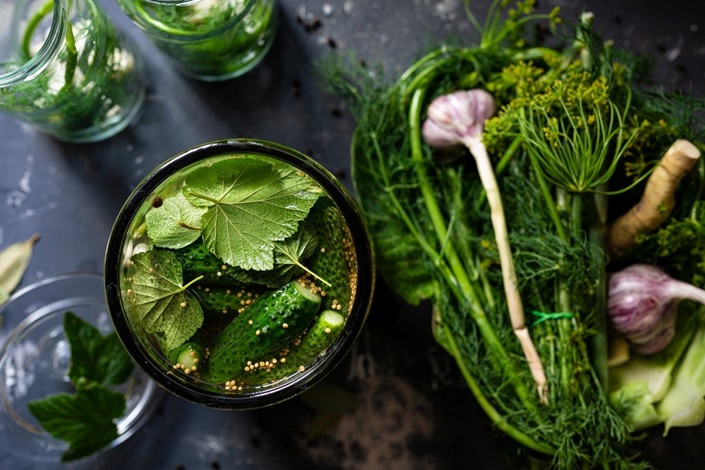
There is a wide range of ingredients that can be pickled or fermented. We are all familiar with pickled cucumbers, a well-loved staple in many pantries. Pickled cucumbers come in different kinds, such as gherkins and cornichons, and they can be whole pickles, sliced pickles, pickle relish, spears, or cocktails – and each one may have different spices, and flavourings added.
Aside from the usually pickled cucumbers, there are other pickled vegetables which are popular among consumers, such as pickled onions and olives (which are available in both black and green, pitted and whole), sauerkraut, cauliflower, red cabbage, carrot, beansprouts, capers, beetroot, and even eggs. They can also be either sweet or sour or a mix of both – essentially, you can pickle almost anything you fancy, as a supplier of wholesale pickles like EE & Brian Smith agrees.
- Proper packaging
Proper packaging is essential for preserving a food product, as we all know, and pickled products are no different – in fact, even more so. Good packaging can control the environment of the food product in question and add to the food’s preservation and extension. The packaging material you choose can be flexible – thin laminate, paper, plastic film, or semi-rigid, as is the case with laminate, aluminium foil, thermoformed plastic, or paperboard. It can also be rigid (in the form of thick plastic, glass, or metal). Most food packages are made from plastic materials as they are readily available, inexpensive, easily moulded, and lightweight.
There are ‘smart’ packaging materials that change according to the environment, such as packages that contain materials that absorb oxygen or films that are sensitive to temperature.
- Proper storage
Storage is another essential component of food preservation, and some reactions can contribute to the lower quality of a food product (such as pickles). Some nutrients found in foods can even be affected if you store food products inappropriately. For instance, did you know that you can lose significant amounts of thiamine and vitamin C if food is improperly stored? Pickled products can also lose their colour, develop a strong by-flavour, and lose their texture if not stored correctly.
One essential parameter to consider is temperature. Many products can benefit from a consistently low temperature, and foods with a lot of water must be in an environment with high humidity to avoid moisture loss.


How to Shop Smart During Holiday Sales
Holiday sales are one of the most exciting times of the year for shoppers. Stores and online retailers roll out...

Benefits of buying folding beds
Beds and Comfort are inseparable words. Without a proper bed, you cannot be comfortable and hence, sleep deprivation can occur....

Express What You Want To Express With Online Flowers
Depending on its color, shape, and scent, a flower has a message to transmit, and a feeling to express. Flowers...
Web based Shopping – Best Way to Shop and Save
We live in a period of style even in the occupied and rushed life. Now and again, it turns out to be truly challenging for the majority of individuals to go to market to shop. Keeping in view the developing interest of web based shopping, business people have made many shopping entries online that are extremely rousing and beneficial for the clients. Web based shopping is quickly turning into the best option of individuals on the planet for modernized or conventional shopping. Slowly, internet shopping is being acknowledged as the...