





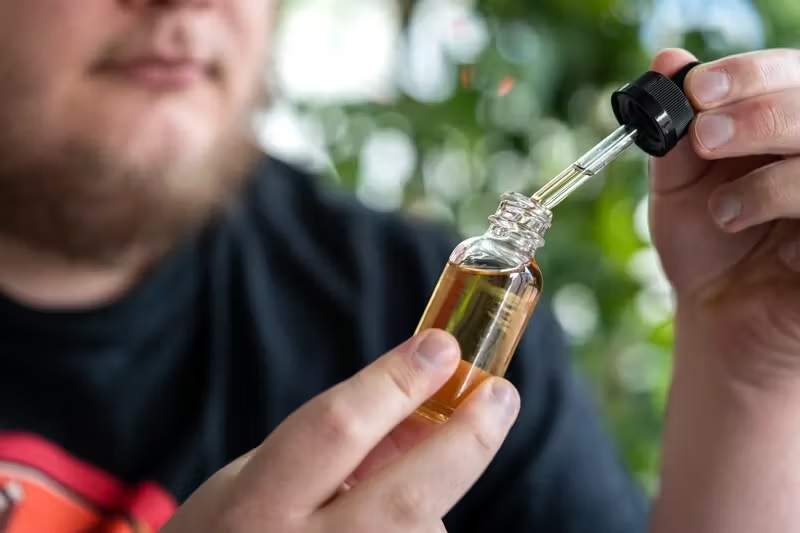
The world of vaping offers a unique opportunity for enthusiasts to create their own personalised experience. For those who want to take it a step further, mixing their own vape liquid UK provides a creative outlet and a way to truly customise their flavours. This beginner’s guide will explore the basics of mixing vape liquids, discussing flavour profiles, the importance of base liquids, and offering some tips for creating your own blends.
Understanding Flavour Profiles
Before diving into the art of mixing your own vape liquid, it’s essential to have a grasp of the different flavour profiles available. These profiles can generally be classified into five categories:
- Fruity: This category includes flavours like berries, citrus fruits, and tropical fruits. Fruity flavours can be enjoyed on their own or mixed with other profiles for a more complex taste.
- Dessert and Bakery: Sweet and indulgent, dessert and bakery flavours encompass everything from classic British puddings to freshly baked pastries.
- Tobacco: For those who appreciate the taste of traditional cigarettes, tobacco flavours replicate the taste of various tobacco blends, from rich and smoky to light and smooth.
- Menthol and Mint: These flavours provide a refreshing and invigorating vaping experience, ranging from subtle, cool undertones to bold, icy blasts.
- Beverage: An interesting and diverse category, beverage-inspired vape liquids include exotic fruit cocktails, comforting coffee blends, and even fizzy soft drinks.
The Importance of Base Liquids: PG and VG
When mixing your own vape liquid, it’s crucial to understand the roles of propylene glycol (PG) and vegetable glycerin (VG), which are the primary ingredients in most e-liquids. These base liquids determine the consistency of the vape liquid, as well as the throat hit and vapour production.
- PG: Propylene glycol is a thinner liquid, providing a stronger throat hit and carrying the flavour more effectively. E-liquids with a higher PG content are typically better for those transitioning from smoking, as they can replicate the sensation of smoking a traditional cigarette.
- VG: Vegetable glycerin is a thicker liquid, which creates larger vapour clouds and offers a smoother throat hit. E-liquids with a higher VG content are ideal for those who prefer a less harsh vaping experience and enjoy producing thick vapour clouds.
When mixing your own vape liquid, you’ll need to decide on the ratio of PG to VG that best suits your preferences. A common starting point is a 50/50 mix, which provides a balance between flavour, throat hit, and vapour production. You can then adjust the ratio to suit your tastes.
Mixing Tools and Safety
Before you begin mixing your own vape liquid, it’s important to have the right tools and follow safety guidelines. Essential mixing tools include:
- Graduated cylinders or syringes for accurate measurements
- Gloves and safety goggles for protection
- Clean, sterilised bottles for storing your mixed liquids
- Labels for clear identification
Always follow safety guidelines, such as working in a well-ventilated area and keeping e-liquids and nicotine away from children and pets.
Tips for Creating Your Own Flavour Combinations
Now that you’re familiar with the basics, it’s time to start experimenting with your own flavour combinations. Here are a few tips to help you on your journey:
- Start simple: Combine two complementary flavours, such as a fruit and a dessert flavour, before moving on to more complex blends.
- Use a flavour wheel: A flavour wheel can help you identify flavours that work well together, making it easier to create successful combinations.
- Test in small quantities: Mix small amounts of vape liquid when trying out new flavour combinations to avoid wasting ingredients if the result isn’t to your liking.
- Keep a record: Document your experiments, including the flavours, ratios, and PG/VG mixtures. This will help you refine your recipes and recreate successful blends in the future.
- Steep your e-liquids: Some mixtures may require time to steep, allowing the flavours to fully meld together. Be patient and allow your e-liquids to rest for a few days or even weeks for the best results.
- Experiment: Don’t be afraid to try unusual combinations or adjust the ratios of your flavours. The world of vape liquids is vast, and you may discover a unique blend that becomes your new favourite.
- Share with friends: Gather feedback from fellow vapers, as they might offer valuable insights and suggestions for your next creation.
In conclusion, mixing your own vape liquid opens up a world of possibilities for customising your vaping experience. By understanding the different flavour profiles, mastering the balance of PG and VG, and employing a creative approach to flavour combinations, you can create unique e-liquids tailored to your personal tastes. As you embark on this exciting journey, remember that practice makes perfect, so don’t be disheartened if your first few attempts don’t yield the desired results. With time, patience, and experimentation, you’ll soon become a master of the art of mixing vape liquids.

6 Things a Cosmetic Dentist London May Discuss Before Whitening or Veneers, Specialist-Backed
A patient looking for a cosmetic dentist London may arrive with whitening or veneers already in mind. Both options can...
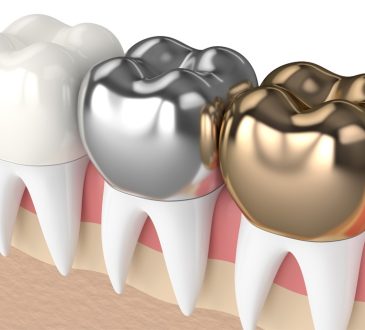
Top 6 Reasons Crowns Restore Tooth Strength, According to London Dental Specialists
A damaged tooth is not only a cosmetic issue. In many cases, the real problem is mechanical. Once a tooth...

How Healthy Habits Prevent Chronic Diseases
Chronic diseases such as heart disease, diabetes, obesity, and certain cancers have become increasingly common across the world. While genetics...

How to Sleep Better with Chronic Pain: Tips & Techniques?
According to The Global Burden of Disease, chronic pain is one of the most notable causes of disability globally. These...