






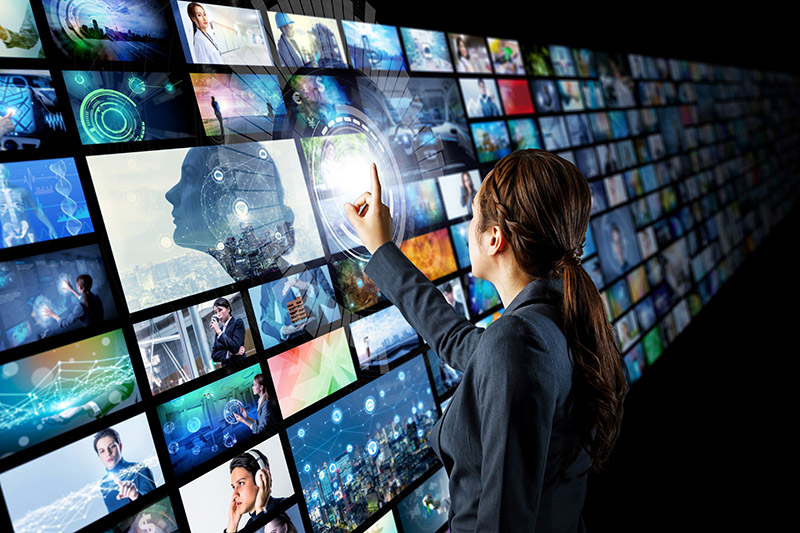
Entertainment is more than just a way to pass time. It reflects culture, influences social values, and shapes collective experiences. From traditional theatre to cutting-edge streaming platforms, entertainment plays a central role in how people connect, relax, and engage with the world around them.
The Evolution of Entertainment
Entertainment has evolved dramatically over centuries. What once consisted of live performances and oral storytelling has now expanded into diverse digital platforms. Today, people can access films, music, games, and interactive media from virtually anywhere.
From Tradition to Technology
-
Theatre and storytelling were the earliest structured forms of entertainment, often tied to cultural and religious practices.
-
Cinema and radio transformed access, allowing mass audiences to share experiences simultaneously.
-
Television brought entertainment into homes, blending information with leisure.
-
Digital platforms now dominate, offering personalised, on-demand content.
This progression shows how entertainment adapts with technology while retaining its purpose of engaging and inspiring audiences.
The Impact of Entertainment on Daily Life
Entertainment is deeply interwoven into everyday life. It provides relaxation after work, encourages creativity, and influences behaviour.
Mental and Emotional Benefits
-
Acts as a stress reliever
-
Inspires imagination and creativity
-
Creates opportunities for laughter and joy
Social and Cultural Influence
-
Shapes cultural trends
-
Provides shared experiences for communities
-
Influences fashion, language, and social attitudes
Entertainment does not simply reflect society; it actively contributes to shaping it.
Entertainment as an Industry
The entertainment industry is one of the most influential sectors worldwide. It includes film, television, music, gaming, live events, and digital media.
Economic Significance
-
Contributes billions to global GDP
-
Creates jobs in production, performance, and technology
-
Promotes tourism through live events and festivals
Innovation in the Sector
The industry constantly adapts to changing consumer demands. Interactive gaming, virtual concerts, and augmented reality experiences are just a few examples of how technology is redefining entertainment.
The Rise of Streaming and On-Demand Culture
The biggest transformation in recent decades has been the rise of streaming platforms. Audiences now control what, when, and how they watch or listen.
Key Features of On-Demand Entertainment
-
Instant access to vast libraries of films, series, and music
-
Personalised recommendations through AI algorithms
-
Flexibility to watch across multiple devices
This shift has reshaped audience expectations, making convenience and accessibility a top priority.
Entertainment and Technology
Technology has blurred the line between creator and consumer. People can now both enjoy and participate in entertainment through platforms such as social media and interactive apps.
Technological Advancements
-
Virtual Reality (VR) and Augmented Reality (AR) provide immersive experiences
-
Artificial Intelligence personalises entertainment content
-
Mobile technology ensures accessibility on the go
Technology not only enhances user experience but also creates new opportunities for storytelling.
The Global Influence of Entertainment
Entertainment is one of the most powerful cultural exports. Films, music, and television shows reach global audiences, influencing perspectives and bridging cultural divides.
Cultural Exchange
-
Global audiences enjoy diverse genres and formats
-
Local traditions are showcased internationally
-
Entertainment serves as a bridge for cross-cultural understanding
Global Reach
A single film release or music album can influence millions worldwide, highlighting the unmatched power of entertainment in shaping opinions and connecting societies.
The Future of Entertainment
The future promises even greater integration of technology and creativity. As immersive and interactive formats expand, audiences will play a larger role in shaping their experiences.
Emerging Trends
-
Growth of esports and competitive gaming
-
Expansion of virtual concerts and online festivals
-
Increasing role of AI in creating customised experiences
-
Rise of eco-conscious productions focusing on sustainability
Entertainment will continue to redefine itself as technology and culture evolve.
Frequently Asked Questions
How does entertainment affect mental health?
Entertainment can have a positive effect by reducing stress, boosting mood, and providing a sense of connection. However, excessive consumption may lead to dependency or reduced productivity, so balance is important.
Why is the entertainment industry important to the economy?
It creates jobs, drives tourism, and generates billions in revenue through film, music, gaming, and live events. Its influence extends beyond leisure, impacting trade and technology.
What role does social media play in entertainment?
Social media acts as both a platform for sharing entertainment and a tool for creators to reach global audiences. It has blurred the line between consumers and producers, making content creation more accessible.
What is the future of live entertainment?
While digital formats dominate, live events remain irreplaceable for offering unique, communal experiences. Hybrid models combining physical and virtual elements are likely to grow.
How is technology changing the way we consume entertainment?
With innovations like VR, AR, and AI-driven recommendations, technology is creating more interactive and immersive experiences, while also making entertainment more accessible across devices.


Corporate Event Planning That Delivers Business Results
In an age where communication often happens through screens, bringing people together in a shared environment has become increasingly valuable....

5 Essential Tips for Conquering Manchester Running Events
Manchester, a city renowned for its vibrant culture, passionate football fans, and, increasingly, its thriving running scene. Whether you're a...
The Historical backdrop Of Music: From Snorts To Guitars
Where did music start, and where is it going? How could we get to the sort of music we have today? Is radio and recorded music further developing music? This piece looks at the historical backdrop of music, and gives forecasts to the sorts of music to anticipate from here on out. Where did music start, and where is it going? The responses are amazing. There is a cutting edge development driving humankind back to the music it previously made huge number of years prior. A clashing development is making...

Hug and Tell Celebrity Gossip
The word 'media whore' has become broadly utilized in celebrity gossip circles. Although it may seem something derogatory should you...