






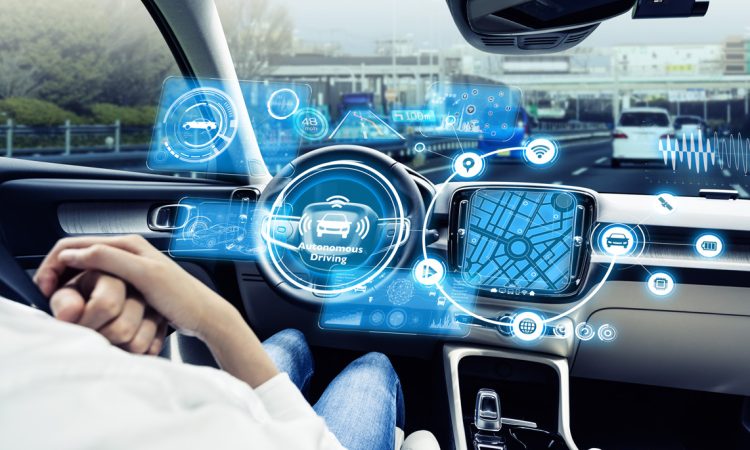
Modern vehicles are becoming smarter, safer, and more connected than ever before. One of the biggest innovations transforming the automotive industry is Advanced Driver Assistance Systems (ADAS). These technologies help drivers avoid accidents, improve vehicle control, and make driving more comfortable.
ADAS combines sensors, cameras, radar, artificial intelligence, and onboard computers to monitor the vehicle’s surroundings and assist the driver in real time. While these systems do not fully replace human drivers, they significantly reduce human error — the leading cause of road accidents worldwide.
This guide explains how ADAS works, its key features, benefits, and why it is shaping the future of transportation.
What Are Advanced Driver Assistance Systems (ADAS)?
Advanced Driver Assistance Systems (ADAS) are electronic technologies built into vehicles to assist drivers with driving and parking functions. These systems use real-time data from sensors and cameras to detect potential hazards and automatically react when necessary.
The main purpose of ADAS is to improve road safety, vehicle efficiency, and driving comfort.
ADAS technology supports drivers by:
- Detecting obstacles and vehicles nearby
- Warning drivers about potential collisions
- Automatically controlling speed or steering
- Helping maintain safe driving distances
- Assisting with parking and maneuvering
Most modern vehicles now include several ADAS features as standard safety equipment.
How ADAS Technology Works
ADAS operates through a network of hardware sensors and intelligent software that continuously analyze the vehicle’s environment.
Key Components of ADAS
1. Cameras
Cameras mounted around the vehicle capture visual information such as:
- Lane markings
- Traffic signs
- Pedestrians
- Other vehicles
These cameras help systems like lane departure warning and traffic sign recognition function properly.
2. Radar Sensors
Radar sensors use radio waves to measure the distance and speed of nearby objects. They are commonly used for:
- Adaptive cruise control
- Blind spot monitoring
- Collision detection
Radar works well in rain, fog, and low-visibility conditions.
3. LiDAR Sensors
LiDAR (Light Detection and Ranging) creates detailed 3D maps of the environment by using laser pulses. It helps vehicles detect obstacles with extreme precision and is widely used in autonomous driving research.
4. Ultrasonic Sensors
These short-range sensors detect objects very close to the vehicle and are commonly used for:
- Parking assistance
- Automated parking systems
5. Central Processing Unit (Vehicle Computer)
All sensor data is processed by a powerful onboard computer that:
- Interprets the environment
- Predicts possible risks
- Triggers warnings or automated actions
Key Features of ADAS in Modern Vehicles
Adaptive Cruise Control (ACC)
Adaptive cruise control automatically adjusts the vehicle’s speed to maintain a safe distance from the car ahead. If traffic slows down, the system reduces speed automatically.
Lane Departure Warning (LDW)
This system alerts the driver when the vehicle unintentionally drifts out of its lane without using turn signals.
Lane Keeping Assist (LKA)
Lane keeping assist goes a step further by gently steering the vehicle back into its lane if it detects drifting.
Automatic Emergency Braking (AEB)
AEB detects potential collisions with vehicles or pedestrians and automatically applies the brakes if the driver does not react quickly enough.
Blind Spot Monitoring (BSM)
Blind spot monitoring uses sensors to detect vehicles in areas that mirrors cannot easily show. The system alerts drivers before changing lanes.
Parking Assistance
Parking assist systems guide drivers into parking spaces using sensors and cameras. Some vehicles even support fully automated parking.
Traffic Sign Recognition
This feature reads road signs and displays important information such as speed limits or warnings on the dashboard.
Benefits of ADAS Technology
ADAS provides several advantages for both drivers and the broader transportation ecosystem.
Improved Road Safety
The primary goal of ADAS is to reduce accidents caused by human error. Features like automatic braking and collision warnings help prevent crashes.
Reduced Driver Fatigue
Long-distance driving becomes easier with features such as adaptive cruise control and lane assist, which reduce the workload on drivers.
Better Traffic Efficiency
By maintaining safe distances and smoother acceleration, ADAS can help improve traffic flow and reduce congestion.
Lower Insurance Risks
Vehicles equipped with advanced safety systems may qualify for lower insurance premiums due to reduced accident risks.
Foundation for Autonomous Vehicles
ADAS technologies are essential building blocks for self-driving cars.
Levels of Driving Automation
ADAS is closely connected to the development of autonomous vehicles. The Society of Automotive Engineers (SAE) defines six levels of driving automation.
- Level 0 – No Automation: Driver controls everything.
- Level 1 – Driver Assistance: Basic support like cruise control.
- Level 2 – Partial Automation: Steering and speed control simultaneously.
- Level 3 – Conditional Automation: Vehicle can drive itself under certain conditions.
- Level 4 – High Automation: Car can operate without driver input in most environments.
- Level 5 – Full Automation: Completely autonomous vehicles.
Most vehicles available today operate between Level 1 and Level 2 automation.
Challenges and Limitations of ADAS
Although ADAS offers significant safety benefits, it still has limitations.
Driver Overreliance
Drivers may become overly dependent on assistance systems, assuming the vehicle can handle all situations.
Weather and Visibility Issues
Heavy rain, snow, or fog may affect the performance of cameras and sensors.
System Cost
Advanced sensors and computing systems can increase the overall cost of vehicles.
Maintenance and Calibration
ADAS components require proper calibration after repairs or windshield replacement to maintain accuracy.
The Future of ADAS Technology
ADAS technology is evolving rapidly with improvements in artificial intelligence, machine learning, and sensor fusion.
Future developments may include:
- More advanced predictive safety systems
- Improved vehicle-to-vehicle communication (V2V)
- Integration with smart city infrastructure
- Transition toward fully autonomous driving
As technology matures, ADAS will continue to play a crucial role in creating safer and more intelligent transportation systems.
Frequently Asked Questions (FAQs)
1. What does ADAS stand for?
ADAS stands for Advanced Driver Assistance Systems, a collection of safety technologies designed to assist drivers and reduce accident risks.
2. Is ADAS the same as autonomous driving?
No. ADAS assists drivers but still requires human supervision. Fully autonomous driving refers to vehicles that can operate without human intervention.
3. Are ADAS features mandatory in modern cars?
Many countries are introducing regulations that require certain ADAS features, such as automatic emergency braking and lane departure warnings, in new vehicles.
4. Can ADAS work in bad weather?
Some ADAS features can function in poor weather conditions, but heavy rain, snow, or fog may reduce the accuracy of cameras and sensors.
5. Do ADAS systems require maintenance?
Yes. Sensors, cameras, and radar systems must be clean and properly calibrated to ensure accurate operation.
6. Are ADAS systems available in budget cars?
Many entry-level vehicles now include basic ADAS features like parking sensors, lane alerts, and emergency braking, although advanced systems are more common in premium models.
7. Will ADAS eventually lead to fully self-driving cars?
Yes. ADAS technologies are considered the foundation of autonomous driving, and continuous advancements are gradually moving vehicles toward full automation.

The Evolution of the Automobile: Technology, Safety, and the Future of Driving
Introduction The automobile has become one of the most significant inventions in human history, transforming the way people live, work,...

How to change the air filter on a motorcycle?
We rarely consider our air filters when problems like lack of power or unusual engine noises arise. It's a common...

The significance of a car check before buying a used car
Vehicle inspections are acknowledged as preventative maintenance and it is always suggested to have your vehicle inspected twice every year....
Buy the Best Used Cars at Affordable Prices
With regards to purchasing utilized vehicles, the pursuit turns out to be more troublesome and drawn-out for individuals. You really want to remember a ton of things, and furthermore take a great deal of care while buying a specific pre-owned vehicle. A great deal of organizations have a reasonable scope of trade-in vehicles available to be purchased from different other driving vehicle makers. The scope of decisions for utilized vehicles is boundless, and from this immense number, you want to channel and pick the ideal vehicle that you can drive...