






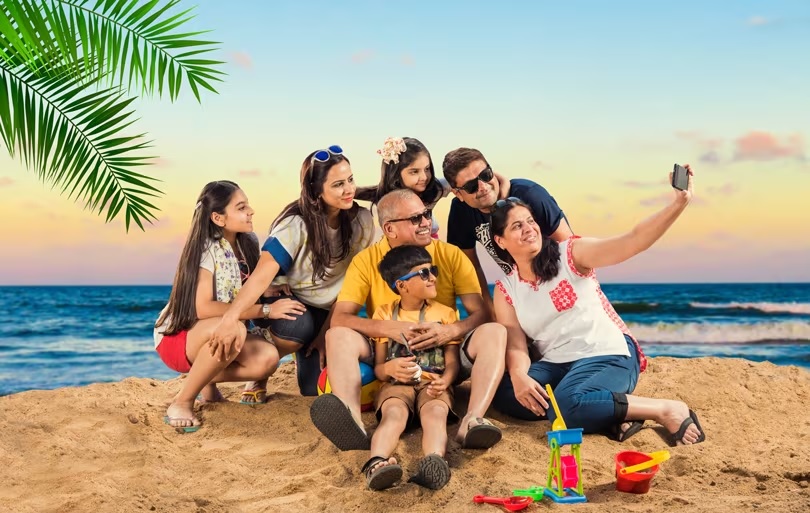
Travelling has always been one of the most enriching experiences a person can have. It allows you to step outside the routine, immerse yourself in new cultures, taste different cuisines, and appreciate the diversity of our world. Beyond leisure, travel can transform perspectives, build lifelong memories, and nurture personal growth. With thoughtful planning and awareness, you can create journeys that are not only enjoyable but also meaningful.
In this guide, we will explore the importance of travel, practical tips for planning, and insights into making the most of every trip.
Why Travel Matters
Travel is more than just moving from one place to another. It holds a unique ability to broaden horizons, challenge assumptions, and cultivate empathy. Experiencing life in a different setting helps us see how others live, deepening our understanding of the world.
Some of the main reasons people are drawn to travelling include:
-
Cultural discovery: Understanding traditions, history, and art unique to each place.
-
Personal growth: Overcoming challenges in unfamiliar environments fosters resilience.
-
Memorable experiences: From witnessing natural wonders to sharing meals with locals.
-
Relaxation and wellbeing: Escaping routine can reset the mind and body.
For many, travel is also about connection. Whether with family, friends, or strangers you meet on the way, these interactions often create stories that stay with you forever.
Planning Your Trip
A successful journey begins with preparation. While spontaneity can add charm, thoughtful planning ensures smoother experiences.
Research Your Destination
Learn about the culture, language, climate, and traditions. This not only prepares you for practical matters but also helps avoid unintentional disrespect. A few tips:
-
Read about local customs and greetings.
-
Check the best time of year to visit.
-
Identify any travel restrictions or entry requirements.
Budget and Finances
Setting a clear budget is essential. Costs can escalate quickly if not managed carefully. Break down expenses into categories:
-
Flights and transport
-
Accommodation
-
Food and dining
-
Activities and sightseeing
-
Emergency funds
Packing Smart
Overpacking is one of the most common travel mistakes. Instead, focus on essentials. Pack versatile clothing, a small first aid kit, and digital copies of important documents. Always consider the local weather and culture when deciding what to bring.
Choosing Accommodation
Your choice of accommodation shapes your experience. From budget-friendly hostels to luxurious resorts, every option offers a different flavour of travel.
When choosing where to stay, consider:
-
Location and accessibility
-
Safety and security
-
Reviews and ratings
-
Amenities suited to your needs
For those seeking authentic experiences, staying in locally-owned guesthouses or homestays can provide a closer connection with the community.
Transportation Tips
Getting around is a core part of the travel experience. Whether you are navigating bustling city metros or quiet countryside roads, understanding transport options in advance makes travel stress-free.
-
Public transport: Economical and a great way to observe daily life.
-
Car hire: Best for exploring rural or less accessible areas.
-
Cycling or walking: Perfect for short distances while reducing your environmental footprint.
-
Ride-hailing apps: Convenient, but always confirm rates beforehand.
Exploring Culture and Cuisine
Food is often the heart of culture. Sampling local dishes introduces you to flavours and stories that reflect history and traditions. From street food markets to family-run eateries, the dining experience is as much about connection as it is about taste.
Respecting cultural norms is also vital. Learn a few basic phrases, dress appropriately, and engage with curiosity and humility. Many locals appreciate when visitors make even small efforts to show respect.
Sustainable Travel
With increasing awareness of climate change and over-tourism, responsible travel has become a necessity. Practising sustainability ensures that future generations can enjoy the same beauty we witness today.
Ways to make your travels more sustainable include:
-
Choosing eco-friendly accommodation
-
Supporting local businesses
-
Reducing plastic waste by carrying reusable bottles and bags
-
Respecting wildlife and natural habitats
Safety While Travelling
Safety should never be overlooked. Preparation and awareness can prevent most issues. Key safety tips include:
-
Keep valuables secure and avoid flashy displays.
-
Stay updated with local news and regulations.
-
Share your itinerary with someone back home.
-
Trust your instincts in unfamiliar situations.
Making Memories That Last
Travelling is about more than ticking destinations off a list. It’s about collecting meaningful experiences. Keep a travel journal, take photographs, and most importantly, be present in the moment. These are the treasures that outlast the trip itself.
Frequently Asked Questions (FAQ)
How can I make my first international trip less overwhelming?
Start small by choosing destinations where the language or culture is somewhat familiar. Book accommodation and transport in advance, and prepare by learning common local phrases.
What is the best way to find affordable flights?
Booking in advance, being flexible with dates, and using flight comparison tools often lead to better deals. Flying midweek can sometimes be cheaper than weekends.
How do I balance exploring with relaxation?
Plan days that alternate between busy sightseeing and slower activities like enjoying a local café or strolling through parks. This keeps energy levels steady and avoids burnout.
Should I buy travel insurance?
Yes, travel insurance is highly recommended. It provides protection against medical emergencies, cancellations, or lost belongings, offering peace of mind.
How do I avoid feeling like a tourist?
Engage with locals, explore beyond popular spots, and try everyday activities such as using public transport or shopping at local markets.


Wellness Travel and Retreat Destinations: Rejuvenate Your Mind, Body, and Soul
Wellness travel has evolved into one of the most meaningful ways to explore the world while prioritizing physical health, mental...

Exploring the Charms of Paris: A Comprehensive Guide for Travelers
Paris, often referred to as the "City of Light," is one of the most enchanting destinations in the world. Its...

Mastering the Art of Wing Foiling
In the realm where air meets water, a new sensation has taken flight – wing foiling. Born from the marriage...
How to visit Edinburgh?
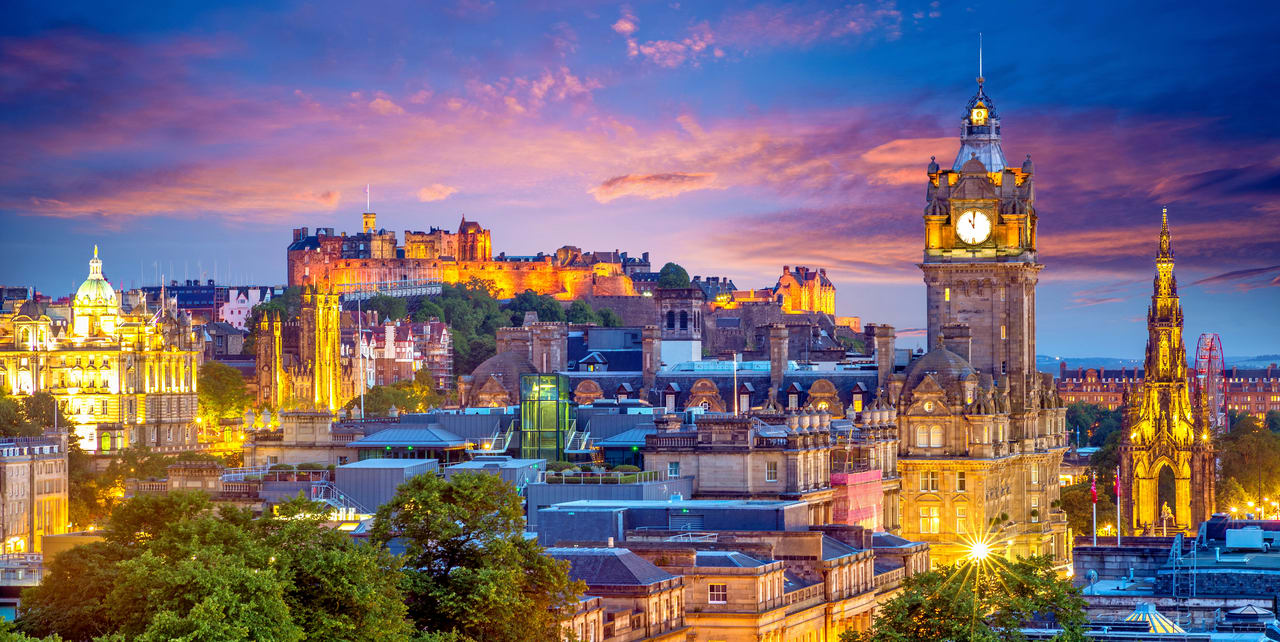
Edinburgh is the capital of Scotland and the second largest city (after Glasgow) with a population of 500,000. The city...