






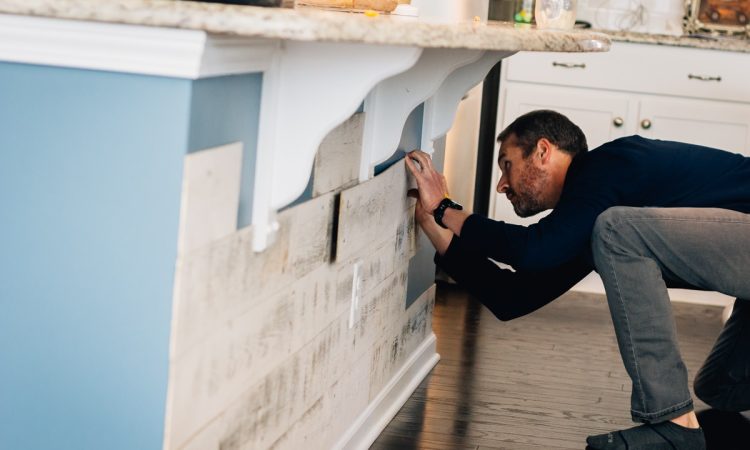
Improving your home doesn’t always require expensive renovations or professional contractors. With a few basic tools, a bit of patience, and some creativity, beginners can complete simple projects that instantly enhance comfort, functionality, and appearance. DIY home improvement projects are also a great way to learn practical skills while saving money.
This guide explores beginner-friendly home improvement ideas that are affordable, manageable, and effective for upgrading any living space.
Why DIY Home Improvements Are Worth Trying
DIY projects offer several advantages beyond just improving the look of your home.
Key benefits include:
- Cost savings: Doing the work yourself eliminates labor costs.
- Skill development: You gain useful repair and renovation skills.
- Customization: You can personalize projects exactly to your taste.
- Increased home value: Even small improvements can boost property appeal.
- Personal satisfaction: Completing a project yourself is rewarding.
Starting with small projects helps build confidence before attempting more advanced upgrades.
Refresh Your Walls with a New Coat of Paint
Painting is one of the easiest and most impactful DIY improvements beginners can tackle.
Tips for beginners
- Choose neutral or light colors to make rooms feel larger.
- Use painter’s tape to keep edges clean.
- Always apply primer first if the wall color is dark.
- Use a roller for large areas and a brush for corners.
Simple painting ideas
- Create an accent wall in living rooms or bedrooms.
- Paint old furniture for a fresh look.
- Refresh doors and trims.
A single weekend of painting can completely transform the atmosphere of a room.
Install Floating Shelves for Extra Storage
Floating shelves are both decorative and functional. They provide storage while adding character to blank walls.
Why floating shelves are beginner-friendly
- Require minimal tools
- Affordable materials
- Quick installation
Basic installation steps
- Measure and mark shelf placement.
- Locate wall studs or use wall anchors.
- Drill mounting brackets into the wall.
- Slide shelves onto the brackets.
Creative uses
- Display books and plants
- Organize kitchen spices
- Showcase photos and artwork
Properly installed shelves can instantly upgrade the look of any room.
Upgrade Cabinet Handles and Hardware
Replacing cabinet hardware is a quick and inexpensive improvement that makes kitchens and bathrooms feel updated.
What you need
- Screwdriver
- Measuring tape
- New knobs or handles
Steps
- Remove old hardware with a screwdriver.
- Align new handles with existing holes.
- Tighten screws carefully.
Design tip
Choose finishes that match other fixtures in the room such as:
- Brushed nickel
- Matte black
- Brass
Even this small change can give cabinets a modern appearance.
Create a Simple DIY Backsplash
Backsplashes protect walls from stains while adding style to kitchens and bathrooms.
For beginners, peel-and-stick backsplash tiles are the easiest option.
Advantages
- No grout or mortar required
- Easy to cut and install
- Budget friendly
Installation basics
- Clean and dry the wall surface.
- Measure and cut tiles as needed.
- Peel the adhesive backing.
- Press firmly onto the wall.
Patterns like subway tile, marble, or geometric designs can dramatically upgrade the space.
Improve Lighting for a Brighter Home
Lighting plays a major role in how a home looks and feels.
Simple DIY lighting upgrades
- Replace outdated light fixtures.
- Install LED bulbs for energy efficiency.
- Add under-cabinet lighting in kitchens.
- Use floor and table lamps to brighten dark corners.
Benefits of better lighting
- Enhances room atmosphere
- Improves functionality
- Makes spaces feel larger
Always switch off power at the breaker before installing new fixtures.
Add Decorative Wall Panels or Molding
Wall molding and panels give rooms a more polished and sophisticated appearance.
Beginner-friendly options
- Peel-and-stick wall panels
- Foam crown molding
- Board and batten accent walls
Basic installation
- Measure wall sections
- Cut panels or molding to size
- Use adhesive or nails to secure
This simple project can add depth and architectural interest to plain walls.
Organize Spaces with Smart Storage Solutions
Clutter can make even beautiful homes feel chaotic. Adding storage is a practical DIY upgrade.
Easy storage ideas
- Install over-door organizers
- Use stackable storage bins
- Add bedroom under-bed drawers
- Install garage wall hooks
Areas that benefit most
- Entryways
- Closets
- Kitchens
- Laundry rooms
Better organization improves both the appearance and usability of your home.
Safety Tips for DIY Beginners
Before starting any home improvement project, follow a few basic safety guidelines.
Important precautions:
- Wear protective gloves and safety glasses
- Use the correct tools for each job
- Turn off electricity before working with wiring
- Work in well-ventilated areas when painting
- Measure carefully before cutting or drilling
Taking these precautions prevents mistakes and injuries.
Frequently Asked Questions (FAQ)
1. What are the easiest DIY home improvement projects for beginners?
Painting walls, installing floating shelves, replacing cabinet handles, and adding peel-and-stick backsplashes are among the easiest beginner projects.
2. What tools should every beginner DIYer own?
Basic tools include a hammer, screwdriver set, measuring tape, drill, level, utility knife, and stud finder.
3. How much money can DIY projects save?
DIY projects can save 30–70% of renovation costs since you eliminate labor expenses and contractor fees.
4. How do I choose the right paint color for a room?
Consider natural lighting, room size, and existing furniture. Neutral tones and soft colors are usually the safest choices for beginners.
5. Are peel-and-stick tiles durable?
Yes, high-quality peel-and-stick tiles can last several years if installed on clean surfaces and kept away from excessive moisture.
6. How long do beginner DIY projects usually take?
Many beginner projects can be completed in a few hours to a weekend, depending on complexity.
7. When should I hire a professional instead of DIY?
For complex tasks involving electrical wiring, plumbing systems, structural changes, or roofing, hiring a licensed professional is recommended.
Final Thoughts
DIY home improvement projects are a practical way for beginners to enhance their living spaces without major expenses. Starting with small upgrades—like painting walls, installing shelves, or updating cabinet hardware—builds valuable skills and confidence.
With patience and creativity, even simple improvements can transform your home into a more comfortable and stylish space.

Four Peach Trees for Sale Varieties That Stand Strong Against Disease
Peach trees offer rewarding yields for gardeners, yet they face significant threats from diseases such as peach leaf curl, bacterial...
Running Toilets, Leaking Taps & Hidden Drips: What You Might Be Ignoring Now That Could Cost You Later
It can be hard to stay on top of home maintenance sometimes, and most of us have a few little...
How to Remove Curry Stains from Carpets
Who doesn’t love curry for dinner, especially leftovers, which are tastier the next day? However, accidentally dropping some on your...

Future of Work: How London Corporate Events Are Adapting in 2025
As we approach the year 2025, the landscape of corporate events in London is witnessing a remarkable transformation. The future...