






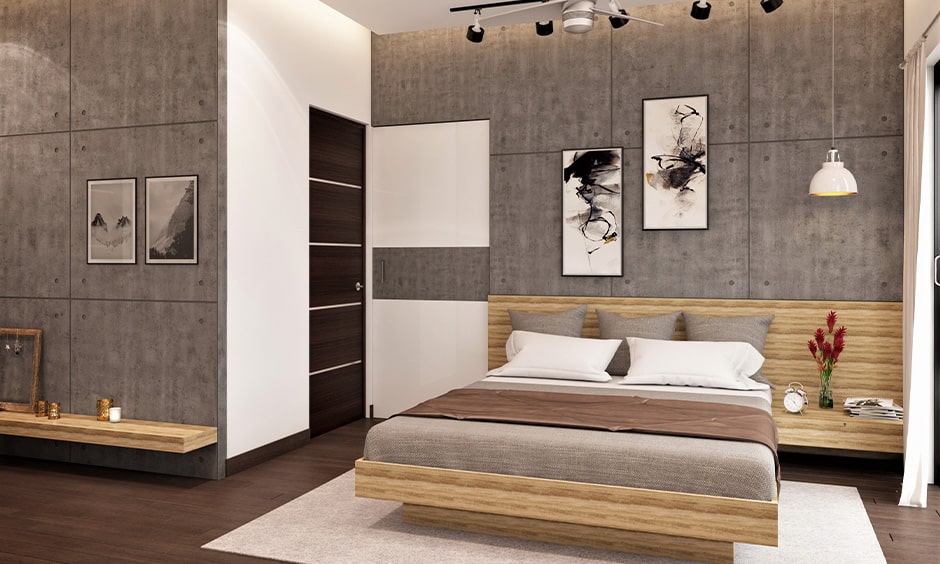
Real or solid wood furniture has been a preferred choice for many homeowners for centuries owing to its enduring charm and natural beauty. However, like any material, it has its own set of advantages and disadvantages. Understanding the pros and cons of real versus engineered wood furniture can help you make an informed decision when it comes to selecting the perfect piece for your home.
Real (Solid) Wood Furniture
Advantages:
Real wood furniture offers exceptional durability and longevity. Made from solid pieces of hardwood or softwood, like this ottoman white double bed, it can withstand years of use and can be sanded and refinished multiple times to restore its appearance. The natural grain patterns and individual characteristics of real wood provide a unique, warm aesthetic that make for beautiful additions to any home. Additionally, solid wood develops a beautiful patina over time, adding to its charm. When sourced responsibly, real wood is an eco-friendly choice as it’s biodegradable and doesn’t emit harmful VOCs.
Disadvantages:
The primary drawback of real wood furniture is its higher cost compared to engineered alternatives. Solid wood is also susceptible to warping or cracking when exposed to significant changes in humidity and temperature. Furthermore, these pieces tend to be quite heavy, making them difficult to move or transport. They also require regular maintenance, such as polishing or refinishing, to preserve their beauty, in contrast to engineered alternatives that require minimal upkeep.
Engineered Wood Furniture (Plywood, MDF, Particleboard, etc.)
Advantages:
Engineered wood furniture is significantly more affordable than solid wood, making it an excellent choice for budget-conscious shoppers. It’s lightweight and often comes in flat-pack form, which makes transportation and assembly much easier. The layered construction of engineered wood provides greater stability, reducing the risk of warping compared to solid wood. Manufacturers can apply various finishes, allowing engineered wood to mimic the look of real wood or be painted in different colours to suit any style. Some types of engineered wood are eco-friendly, as they utilize discarded wood scraps and recycled materials.
Disadvantages:
The main downside of engineered wood is its reduced durability. Materials like MDF and particleboard are prone to chipping, water damage, and general wear over time. Once damaged, these materials cannot be sanded or refinished like solid wood, making repairs difficult. Engineered wood furniture typically has a shorter lifespan, often lasting between 5 to 15 years depending on quality. Some lower-quality engineered wood products may contain formaldehyde, which can off-gas harmful VOCs.


Four Peach Trees for Sale Varieties That Stand Strong Against Disease
Peach trees offer rewarding yields for gardeners, yet they face significant threats from diseases such as peach leaf curl, bacterial...

DIY Home Improvement Ideas for Beginners
Improving your home doesn’t always require expensive renovations or professional contractors. With a few basic tools, a bit of patience,...
Running Toilets, Leaking Taps & Hidden Drips: What You Might Be Ignoring Now That Could Cost You Later
It can be hard to stay on top of home maintenance sometimes, and most of us have a few little...

How to Remove Curry Stains from Carpets
Who doesn’t love curry for dinner, especially leftovers, which are tastier the next day? However, accidentally dropping some on your...