






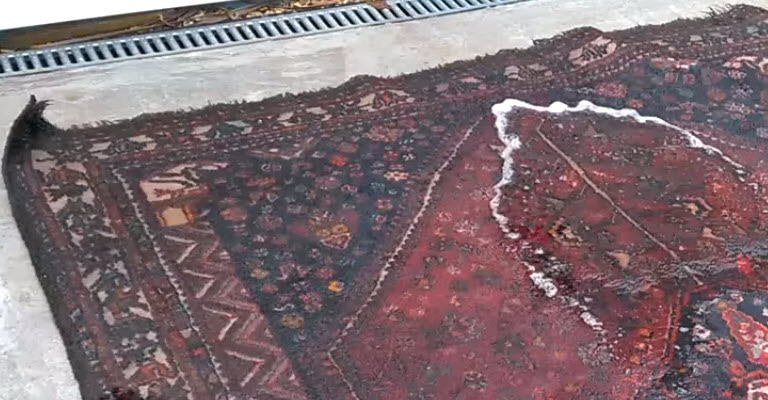
Quick Action for Carpet Water Damage
Water soaking into carpets can be a big problem, so you’ve gotta act fast to deal with it. If your carpet gets wet, figure out how bad it is right away. Whether it’s just a small spill or a huge flood, sorting it out quickly can stop bigger problems like mold. Mold loves damp places, so getting on top of things can save you time and money by stopping severe damage. Check what can be saved and what needs replacing. Focus on smart ways to handle wet carpets without breaking the bank.
Assessing Water Damage
Check out how much water’s gotten into your carpet right away. Just grab something flat, like a spatula, to gently lift a corner and see how wet it is underneath. If it’s just a small spill, you might only notice a little wetness on top. But if there’s been a big flood, and the padding’s soaked, you gotta move fast. For small spills, a wet/dry vacuum can be a lifesaver for drying things out. Big floods need quick action to stop mould and more damage. Waiting even a few hours can make things worse, with bad smells and flooring damage. So, jump on it quick, and if it’s really bad, think about getting professional help. Acting fast can save you time and money and keep your carpet looking good.
Evaluating Carpet Material
Knowing what your carpet’s made of is super important if it gets wet. Carpets from materials like nylon or polyester are pretty good at bouncing back after getting soaked. They don’t soak up water as much, so they dry faster and are easier to fix. But if you’ve got a wool carpet, it drinks up water like a sponge, which makes it a pain to dry and more likely to get damaged or moldy.
Can’t find what your carpet’s made of on the tag or receipts? Try searching online for the brand or model. It’s handy to know this when deciding if you should clean it up or just get a new one.
Sometimes, it’s just easier to replace a soggy carpet, especially if drying it is tough. Wet carpets can get moldy and start to stink, so figuring out what it’s made of can save you a lot of hassle and cash later on.
Cleaning and Drying Salvageable Carpets
When your carpet gets wet but can still be saved, it’s time to roll up your sleeves and give it some tender care. Start by soaking up as much water as you can using paper towels or a clean, white cloth. A gentle and firm press does the trick—no rubbing or scrubbing, as that might mess up the fibres. If you can, avoid stepping on the wet bits since it could push the water deeper into the carpet.
Once you’ve tackled the soaking, mix up a mild cleaning solution with a splash of liquid soap and warm water. Steer clear of harsh chemicals; they might harm your carpet and leave a sticky mess. A soft brush will help you gently work the solution into the carpet. Afterward, rinse the area thoroughly to wash away any soap. Leftover soap can attract dirt and might even start to smell a bit funky.
Drying is just as important as cleaning. Get a couple of fans and maybe a dehumidifier to speed things up. Place them strategically to get the best airflow. Prop up the carpet and padding with bricks or small boxes to let air circulate underneath—it makes a world of difference. Keep an eye on it every day to ensure everything’s drying nicely, and tweak your setup if needed. By acting promptly, you can prevent mold from moving in, keeping your carpet fresh and safe for your toes. Keep it up, and your carpet will thank you!
Efficient Drying Techniques
Drying a water-damaged carpet? Here’s how to do it right. Use fans, dehumidifiers, and open windows to dry it faster. Place fans so they blow air over the wet part, which helps get rid of the moisture. A dehumidifier is great too because it sucks moisture from the air, stopping it from soaking back into the carpet and keeping mould away.
If it’s a nice windy day, open the windows for extra airflow to get rid of the dampness. Want to dry it even better? Lift the carpet a bit with some bricks or wood blocks so air can get underneath and dry the padding, which can stay wet the longest and might get mouldy if you don’t.
Keep checking the carpet to see how it’s going, and move your fans or dehumidifiers if you find any wet spots. Doing this should keep the carpet nice and fresh, without any nasty smells showing up.
Professional Cleaning Services for Severe Damage
When carpets get soaked with water, it’s often a good idea to get the pros in to help out.
When to Seek Professional Assistance
Think about calling in the experts if your carpet’s really in trouble, like after a big flood that leaves it waterlogged. Also, if you’ve scrubbed and scrubbed but those annoying stains won’t budge, it’s worth getting some expert advice.
Advantages of Engaging Professional Services
These pros come armed with gear that’s way better than your average home vacuum. They bring along powerful fans and dehumidifiers to dry things out quickly and stop mould from popping up. Plus, they have special cleaners that get rid of tough stains and smells without wrecking your carpet.
Getting the pros involved means you might save your carpet, dodging the hassle and cost of buying a new one. So, if things are getting out of hand, calling in the specialists is probably a smart move.
When Replacement is Necessary
When your carpet’s soaked, sometimes swapping it out is the best move. Badly damaged carpets don’t just look shabby, they can also be a health hazard and end up costing loads if you don’t sort them out.
Signs of Replacement
– Persistent Odors: If the smell sticks around even after a clean, that’s a sign of moisture being stuck, which could lead to mold messing with the air and possibly causing allergies.
– Visible Mold: Spots in black, green, or white are big mold warnings. Mold’s bad for your health and needs sorting right away.
– Irreparable Stains: Some marks just won’t budge, making the carpet look old and grotty.
Trying to fix these problems over and over can burn a hole in your pocket and waste your time. Getting a new carpet can be a smarter choice. It freshens up the room and cuts down on allergens, making the air nicer to breathe.
Conclusion
When water gets on your carpet, you’ve got to act fast. Check how bad the damage is first. Sometimes you can just clean it, but other times you might need a new one. Synthetic carpets usually handle water better than natural ones. Good cleaning and drying can bring your carpet back to life. If it feels like too much to handle, think about calling in the pros. Quick and smart choices on how to fix water damaged carpets can save you cash, keep your place looking nice, and make it comfy. Follow these tips, and your carpets should stay in good shape, making your home feel cozy and fresh.

Four Peach Trees for Sale Varieties That Stand Strong Against Disease
Peach trees offer rewarding yields for gardeners, yet they face significant threats from diseases such as peach leaf curl, bacterial...
DIY Home Improvement Ideas for Beginners
Improving your home doesn’t always require expensive renovations or professional contractors. With a few basic tools, a bit of patience,...
Running Toilets, Leaking Taps & Hidden Drips: What You Might Be Ignoring Now That Could Cost You Later
It can be hard to stay on top of home maintenance sometimes, and most of us have a few little...
How to Remove Curry Stains from Carpets
Who doesn’t love curry for dinner, especially leftovers, which are tastier the next day? However, accidentally dropping some on your...